

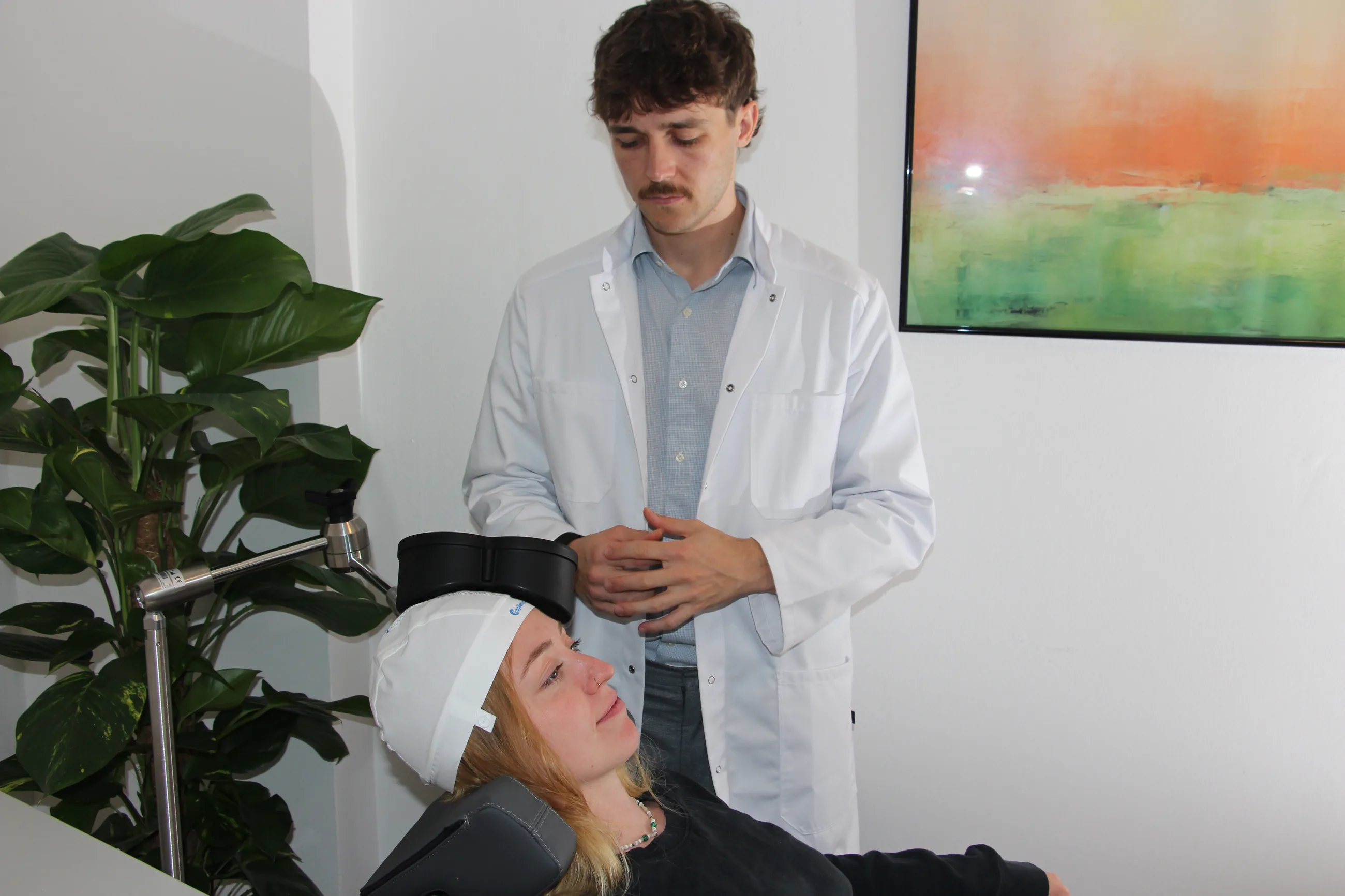
We treat depression,
Alzheimer's, Parkinson's and more.
Specialised in modern methods of brain stimulation.
We treat depression, Alzheimer's dementia, Parkinson's disease and long Covid with non-invasive brain stimulation. Outpatient, without surgery, under medical supervision.
Our procedures
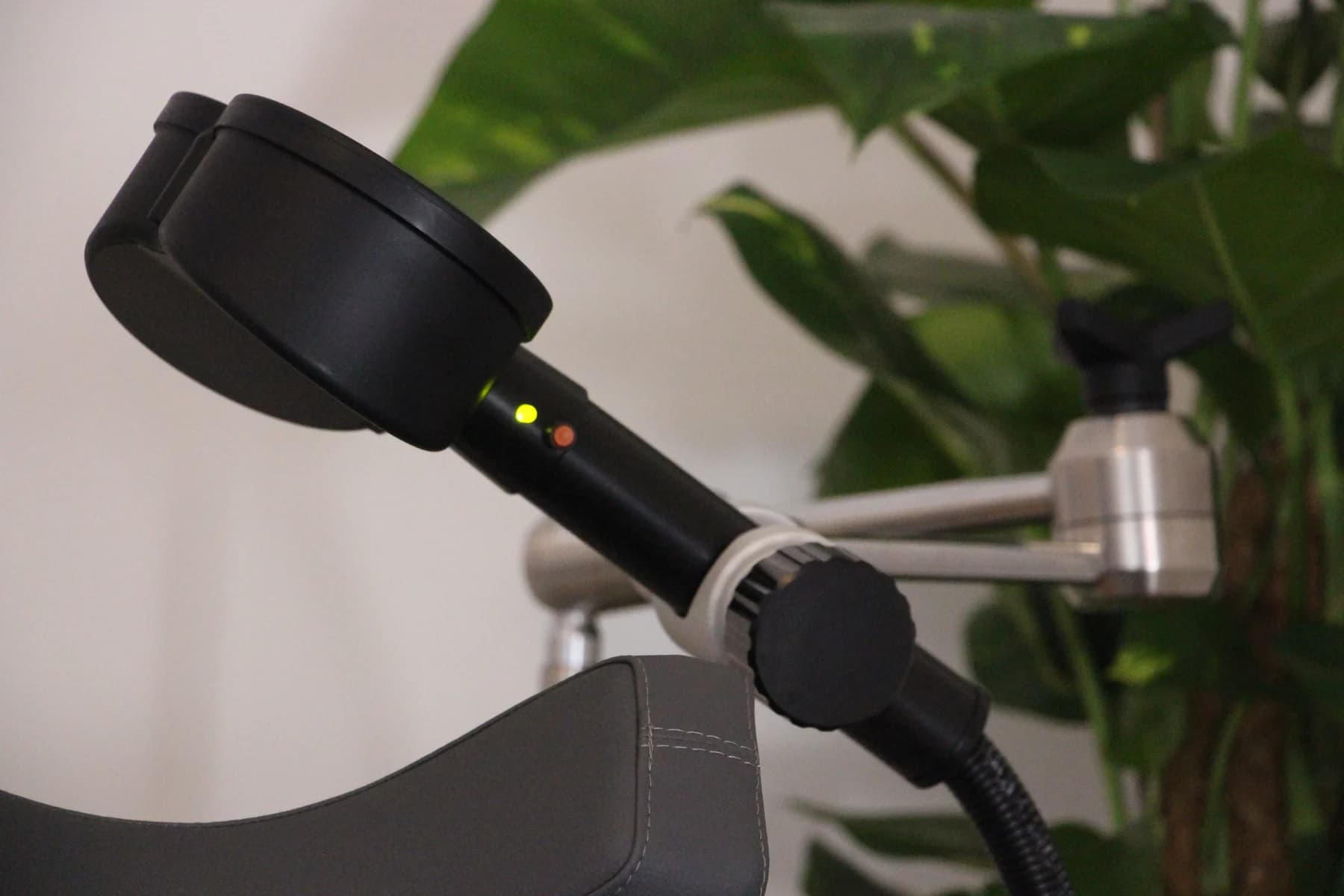
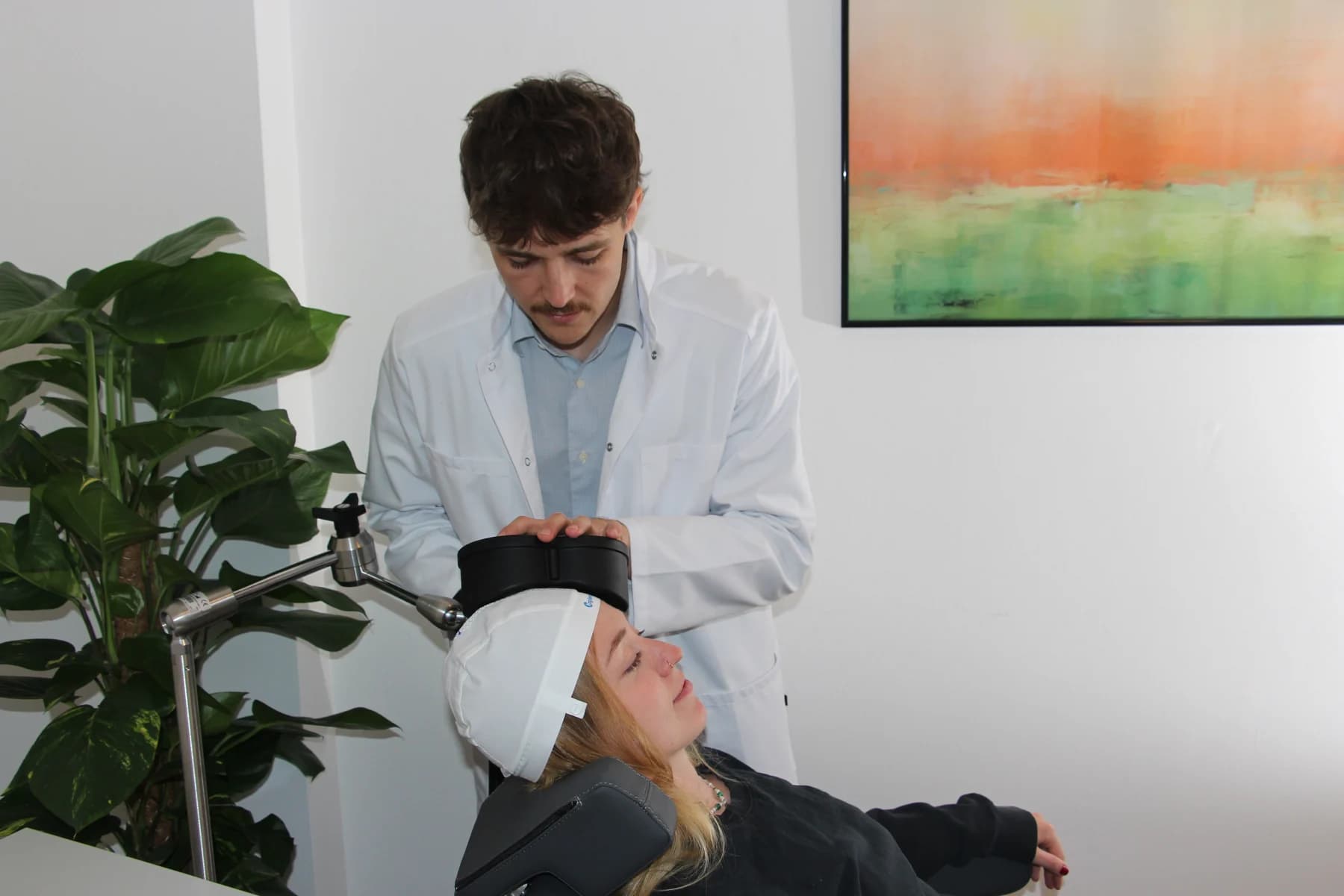
Transcranial magnetic stimulation (TMS)
Magnetic fields influence activity in superficial areas of the brain. Established for decades, among other things for depression.
More on TMS →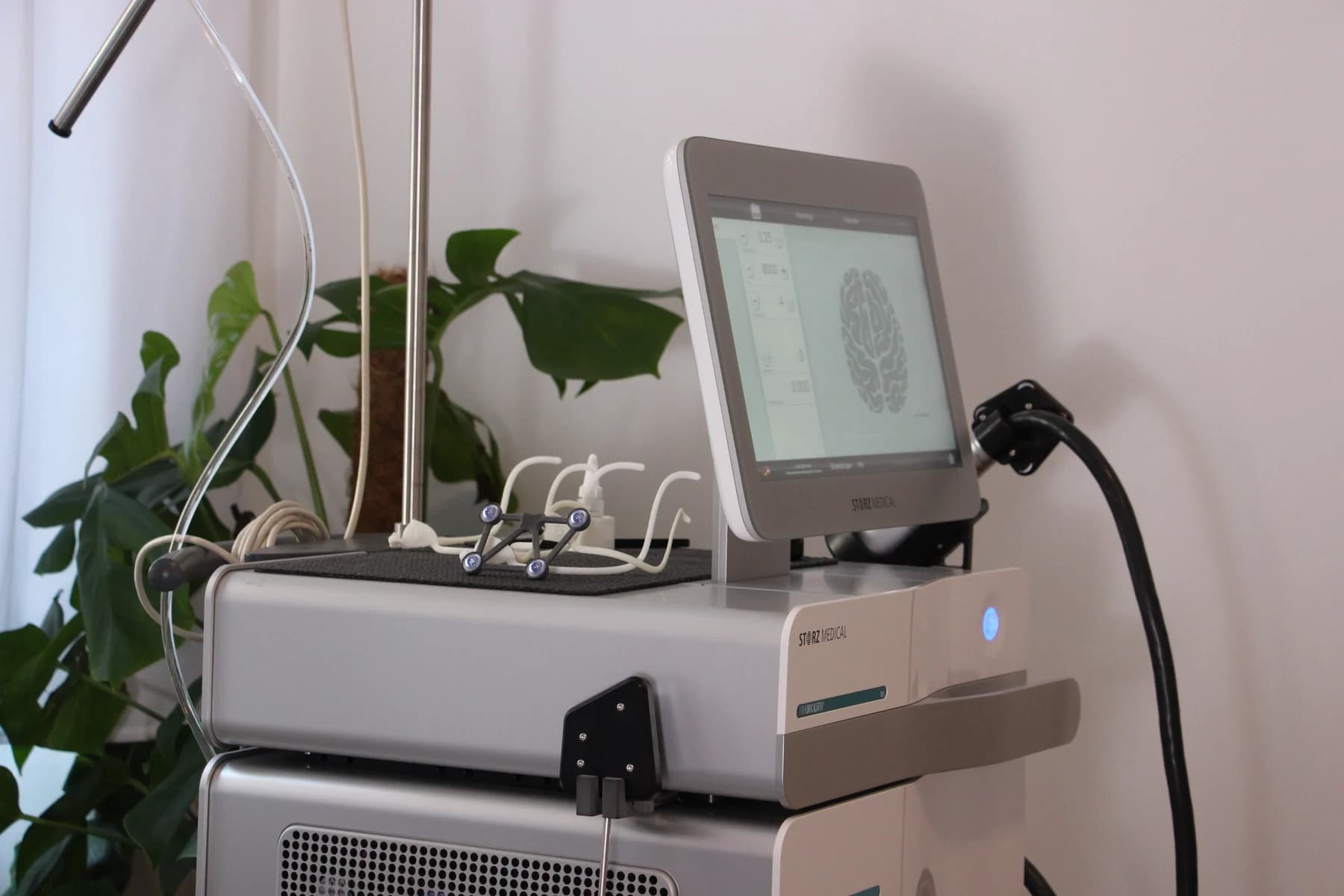
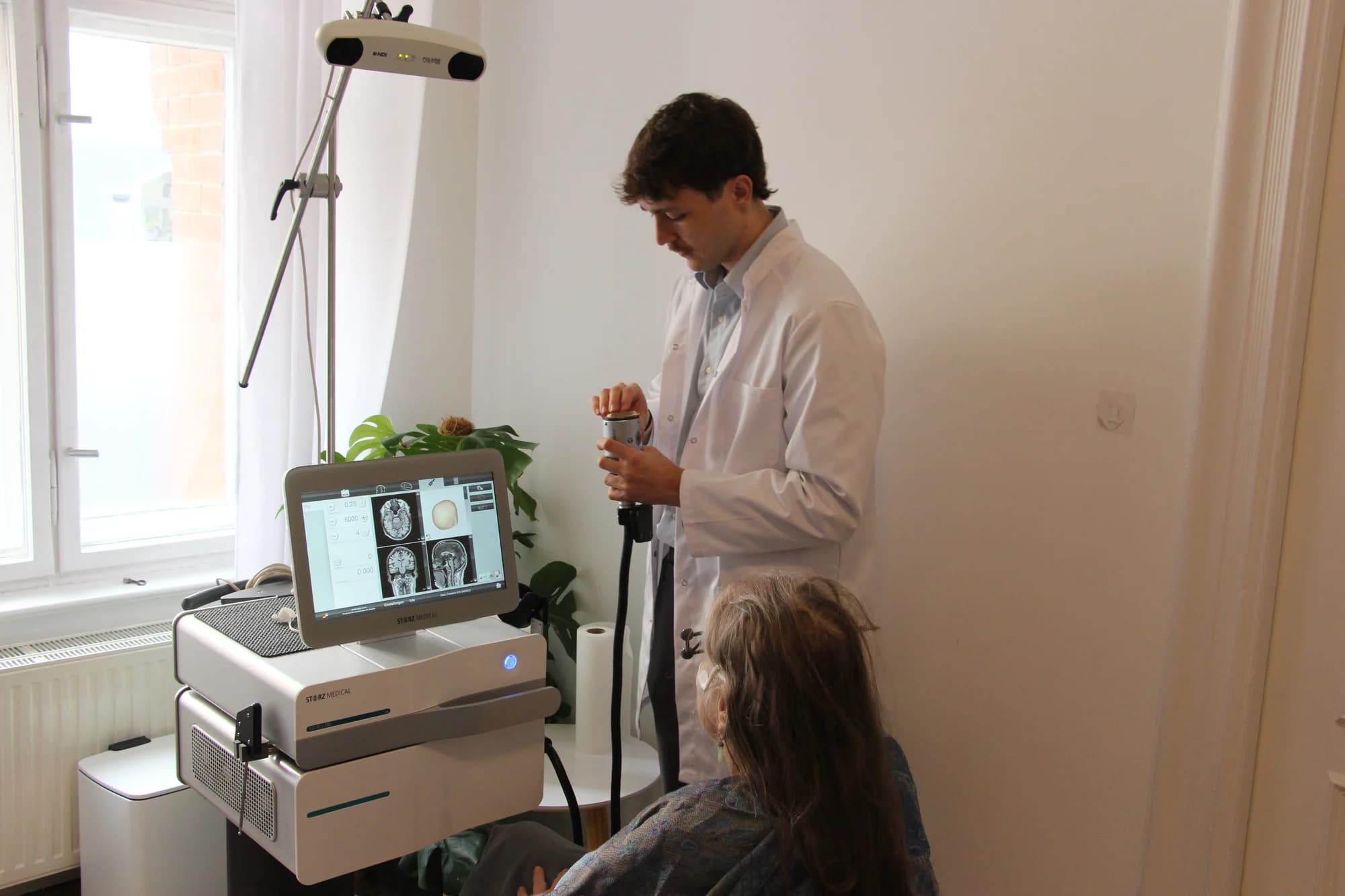
Transcranial pulse stimulation (TPS)
Focused ultrasound waves reach deeper regions of the brain. The NEUROLITH® system has carried CE approval for Alzheimer's dementia since 2018.
More on TPS →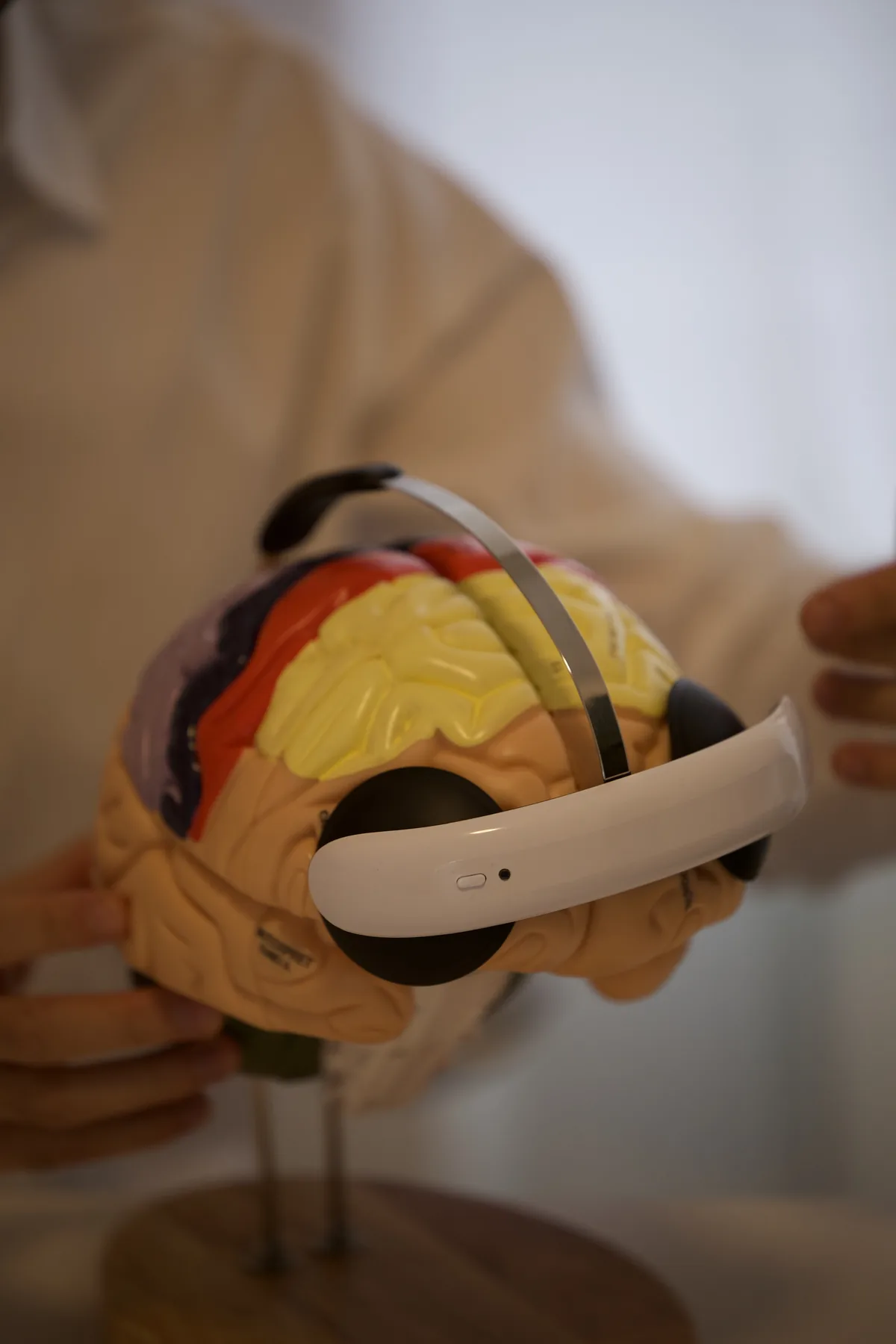
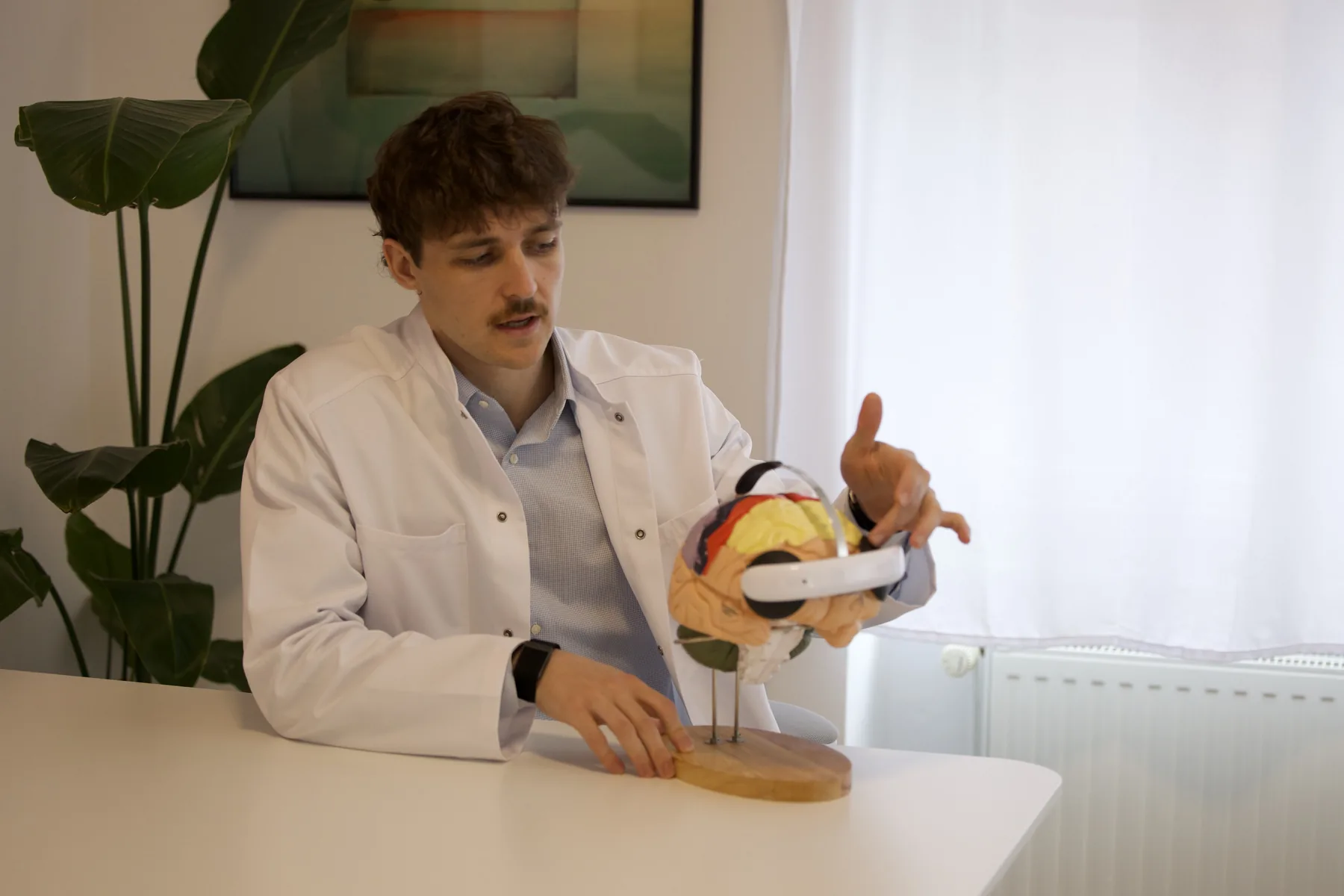
Transcranial direct current stimulation (tDCS)
Weak direct currents delivered through electrodes on the scalp. Well tolerated and, after instruction, suitable for use at home.
More on tDCS →Treatment Focus Areas
Medical Director
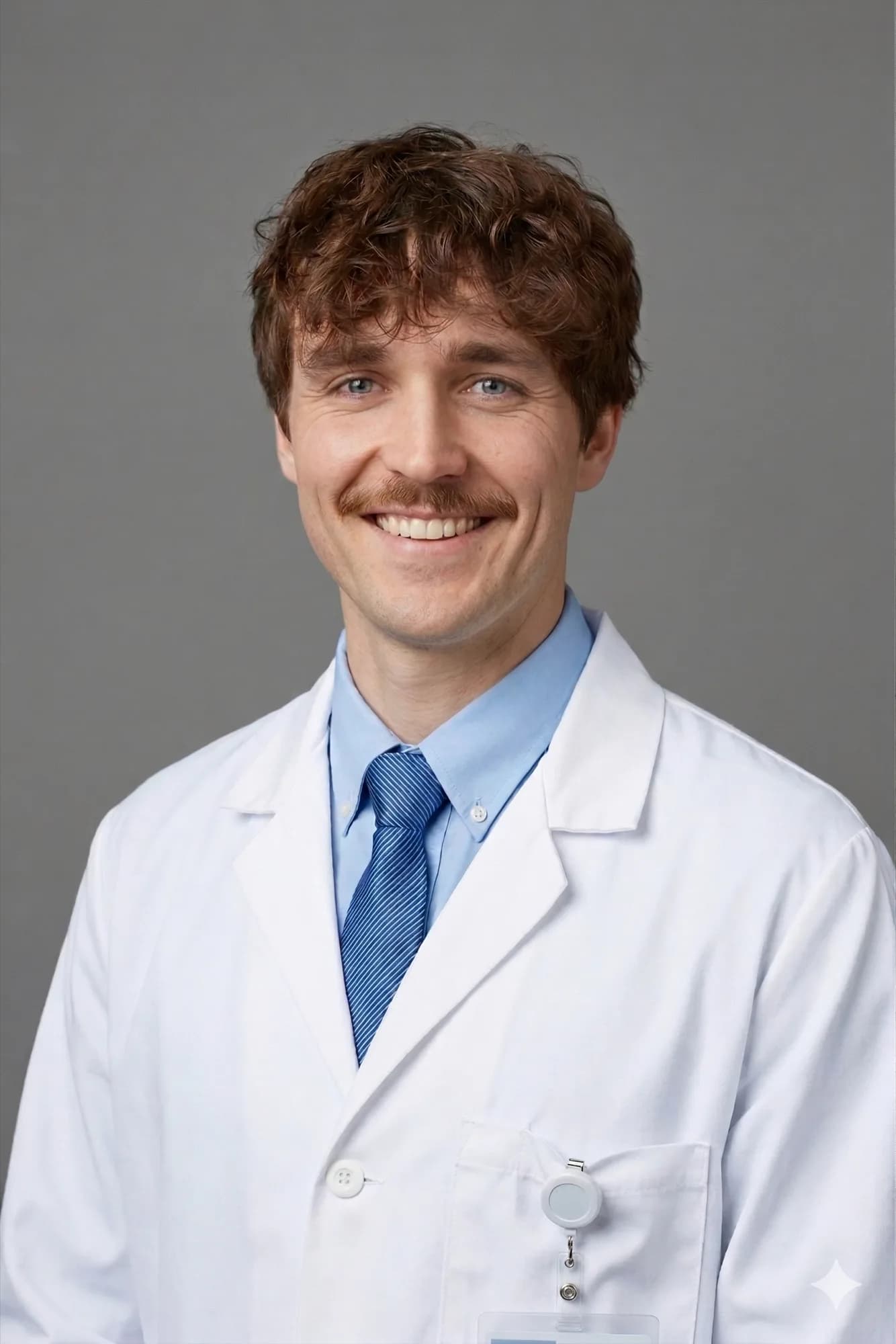
Dr. Tim Schwarz
I completed my medical training at the university hospitals in Heidelberg and Munich. I first encountered neurostimulation at my father's psychiatric practice in Ulm. The possibilities of this technology fascinated me. In Berlin I built a practice of my own from that, offering TMS, TPS and tDCS.

What is Neurostimulation?
Procedures that act specifically on the activity of nerve cells - without surgery, without an incision, without medication. Depending on the method, using focused ultrasound waves, magnetic fields or weak electrical impulses.
Frequently Asked Questions
What is neurostimulation?
Neurostimulation refers to procedures that specifically influence the activity of nerve cells - without surgery, without medication. Depending on the method, focused ultrasound waves, magnetic fields or weak electrical currents are used. Our practice uses TMS, TPS and tDCS.
What distinguishes neurostimulation from medication treatment?
Neurostimulation procedures act directly on neural structures - without systemic effects on the rest of the body. They do not replace existing medication therapy, but can meaningfully complement it in many cases.
For which conditions is neurostimulation used?
In our practice we treat, among others, Alzheimer's dementia, Parkinson's disease, Long Covid and depression. You will find more detailed information about the evidence and use of the individual procedures on the respective indication pages.
Is neurostimulation safe?
We use CE-marked medical devices exclusively; the procedures themselves have been clinically established for years. Serious side effects are rare. Patients often describe a slight tingling or warmth at the treatment site. A structured indication assessment takes place before every treatment.
What happens during the first consultation?
We discuss your situation, history and goals. We explain which procedures might be suitable and what the current evidence shows. Only then do we decide together whether and how a treatment makes sense.
Does health insurance cover the costs?
TMS, TPS and tDCS are currently not covered by statutory health insurance in Germany - the procedures are still relatively new and are not part of the statutory benefits catalogue. Costs are generally borne privately. Some private health insurers, however, cover part of the treatment costs. We inform you transparently about all costs in advance - before treatment begins, without obligation.
Do I need a referral?
No. You can contact us directly without a referral.
How do I get in touch?
By phone or via the contact form on this page. We will get back to you as soon as possible.
Contact
Get more information
Free of charge by email. We will get back to you without obligation.
Suitability is assessed by a doctor in each individual case. The treatments are self-pay services; private health insurers often reimburse them.