

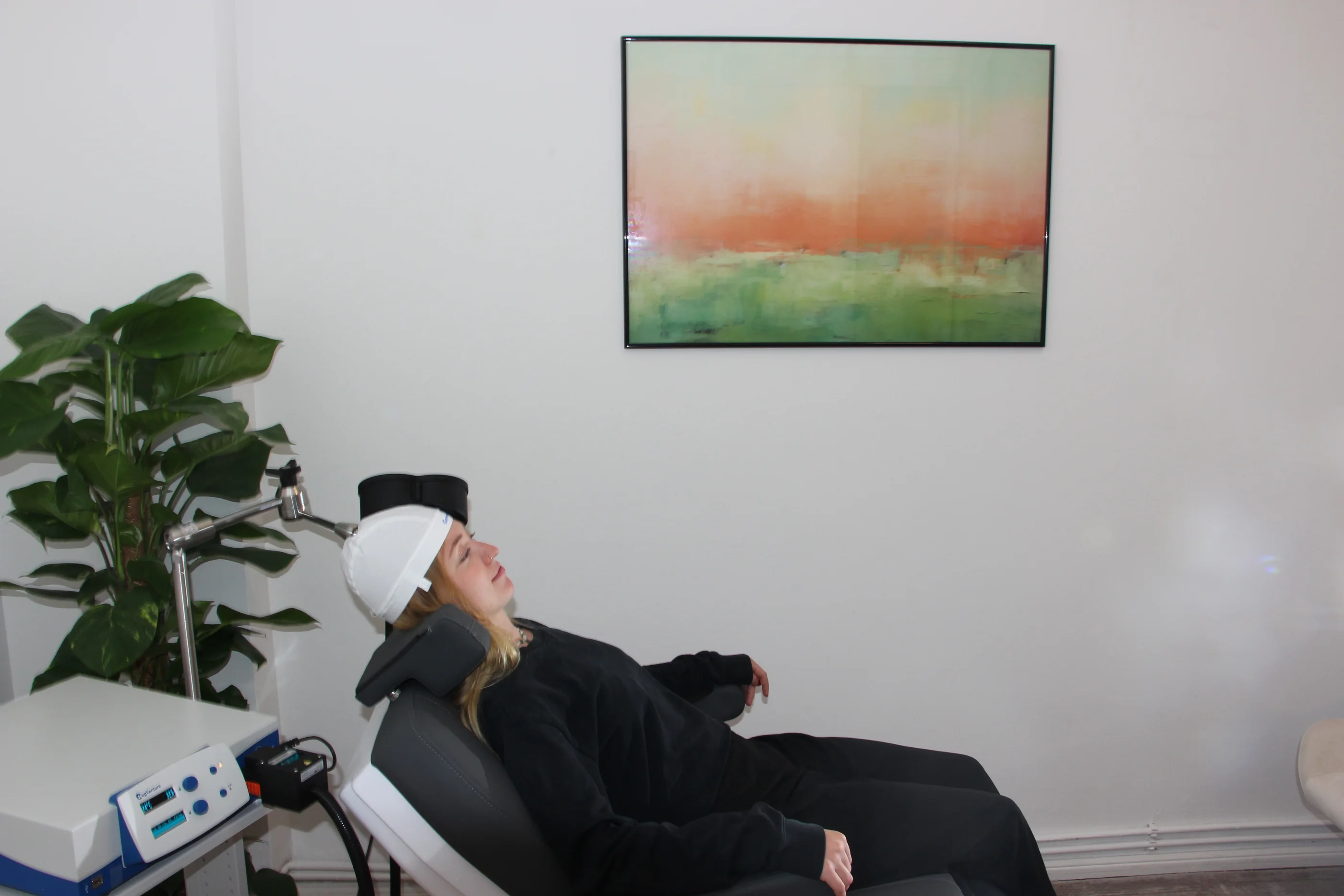
Treating depression with magnetic stimulation
rTMS for depression
What often improves:
For treatment-resistant depression, the German national guideline recommends rTMS (grade B, 2022). In a registry covering 103 practices, 58 to 69 % of the 5,010 patients treated with TMS responded (Sackeim et al. 2020). We treat with the theta burst protocol; in the largest randomised trial on it (Blumberger et al. 2018, The Lancet, n=414) the figure was 49 %, and 32 % reached remission three months after the series.
rTMS is considered well tolerated: most commonly a feeling of pressure at the treated spot, less often headaches. A single session takes only a few minutes.
Go to the contact form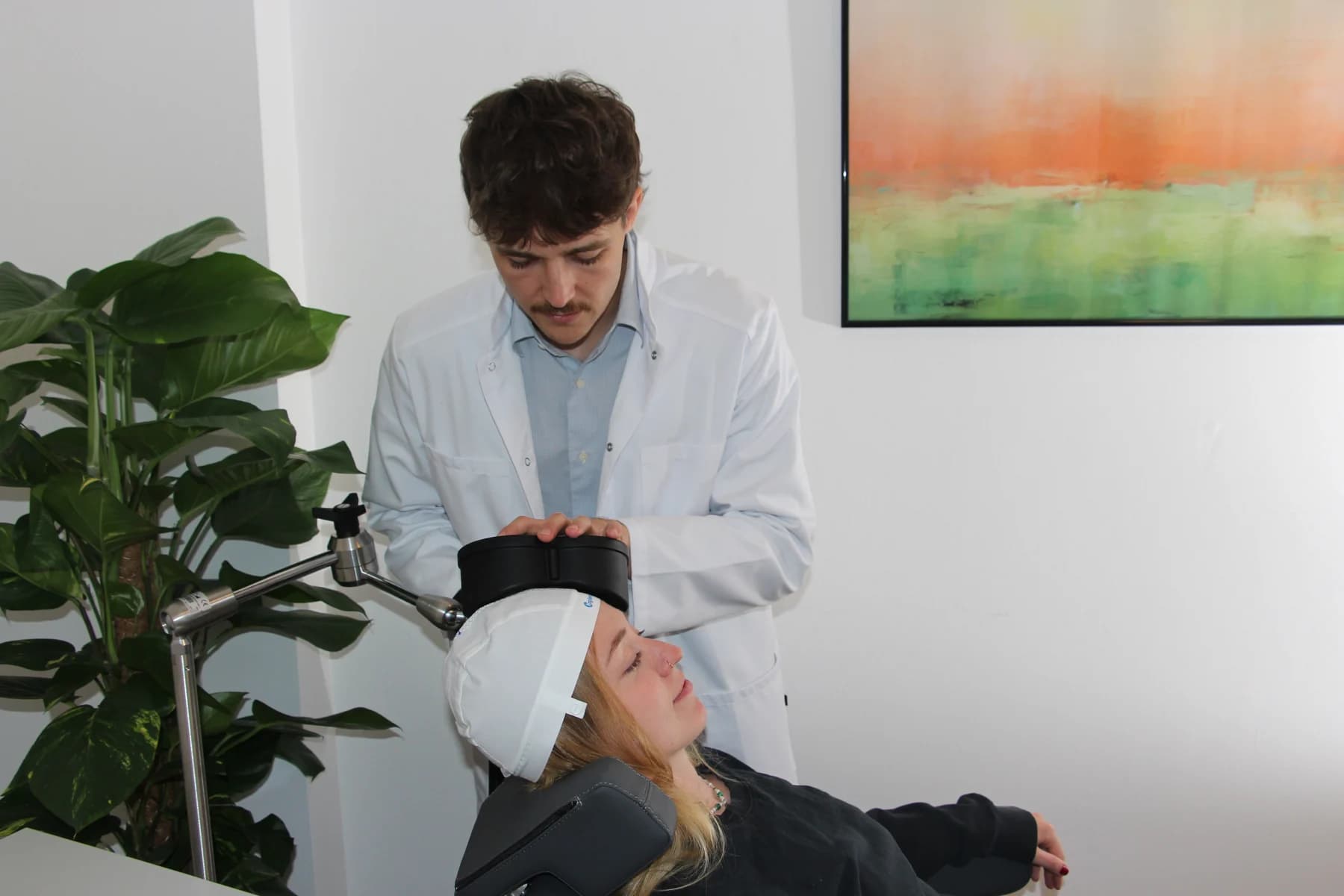
How it works
How rTMS acts in the brain
There are more than 29,000 scientific articles on rTMS, over 5,000 of them on depression.

Reclaiming everyday life
New energy, new perspectives - step by step
Process
How your rTMS treatment works
Is neurostimulation suitable for you?
Not every patient benefits equally. Answer a few short questions about your situation - we review your information personally and get back to you.
- A few short questions · just a few minutes
- Personal response from Dr. Schwarz
- Response by email within 24 hours
- Confidential in accordance with medical confidentiality and GDPR
Non-invasive
No surgery, no anaesthesia
No medication
Acts locally, not systemically
A few minutes
Theta burst protocol per session
Medically led
Indication, threshold and follow-up
Medical leadership
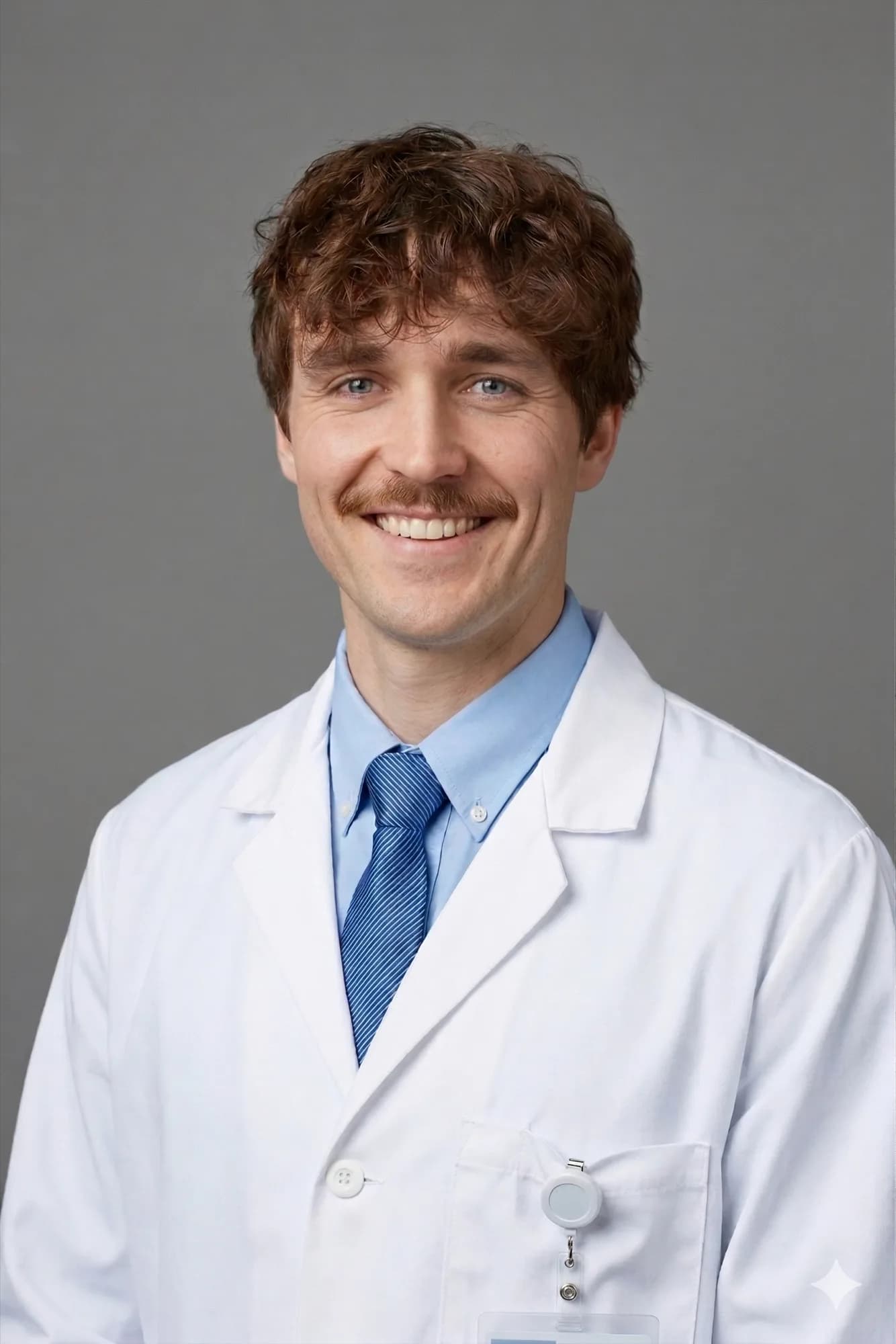
Dr. Tim Schwarz
Dr. Tim Schwarz führt die Behandlung mit medizinischer Sorgfalt und persönlicher Begleitung der Patientinnen und Patienten.
Clinical expertise
Trained at:

Experience gained at the practice of his father, Dr. Schwarz in Ulm - specialised in non-invasive brain stimulation for many years.
Personally there for you
- No referral needed
- Discreet, empathetic consultation
- Clear information on costs and options - before treatment begins
Contact
Get more information
Free of charge by email. We will get back to you without obligation.
Suitability is assessed by a doctor in each individual case. The treatments are self-pay services; private health insurers often reimburse them.
Frequently asked questions
Your questions about rTMS
Still have questions? We answer everything in a personal initial consultation.
On this topic
Understanding depression: symptoms, causes and treatment at a glance
State of research
What the research shows
rTMS for depression has been the subject of controlled trials for more than two decades. Three of them, each with its limitations.
The German National Care Guideline on Unipolar Depression (2022) recommends that rTMS “should be offered for treatment-resistant depressive episodes” (recommendation 7-29, grade B).
To the guidelineA further procedure
And if rTMS is not the right fit?
Then transcranial direct current stimulation (tDCS) may be an option. It works with a weak direct current through electrodes on the scalp rather than with magnetic pulses. The headset used for it is approved for the treatment of unipolar depression in adults, explicitly including use at home; unsuccessful prior treatment with medication is not a prerequisite.