

Neurostimulation Procedures
The procedures used in our Berlin practice specifically target the activity of nerve cells - outpatient, non-invasive and without medication. Which method is appropriate depends on diagnosis, stage of disease and individual findings.
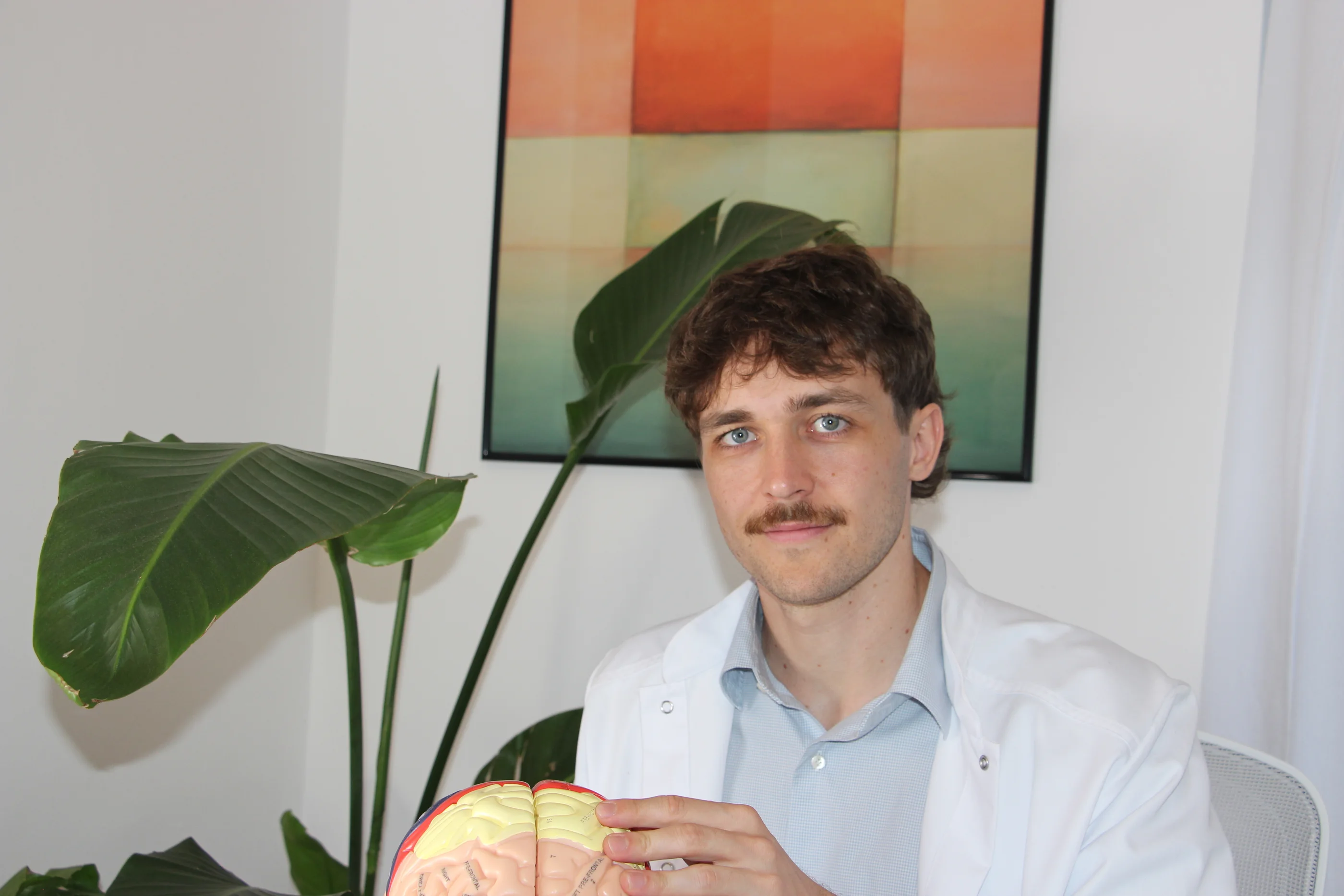
New Therapeutic Approaches for Neurological Conditions
Neurological conditions such as Alzheimer's dementia, Parkinson's disease or stroke present patients and their families with major challenges. Established treatment options are often limited, and the quality of life of those affected can be considerably reduced.
Non-invasive neurostimulation procedures open up new possibilities today. In recent years, methods have been developed and clinically tested that have the potential to positively influence the course of neurological conditions and noticeably improve quality of life.
In our practice, we use several of these procedures. We provide transparent information about opportunities, limitations and risks - and carefully assess whether and which procedure is suitable for the individual situation.
Transcranial Magnetic Stimulation (TMS)
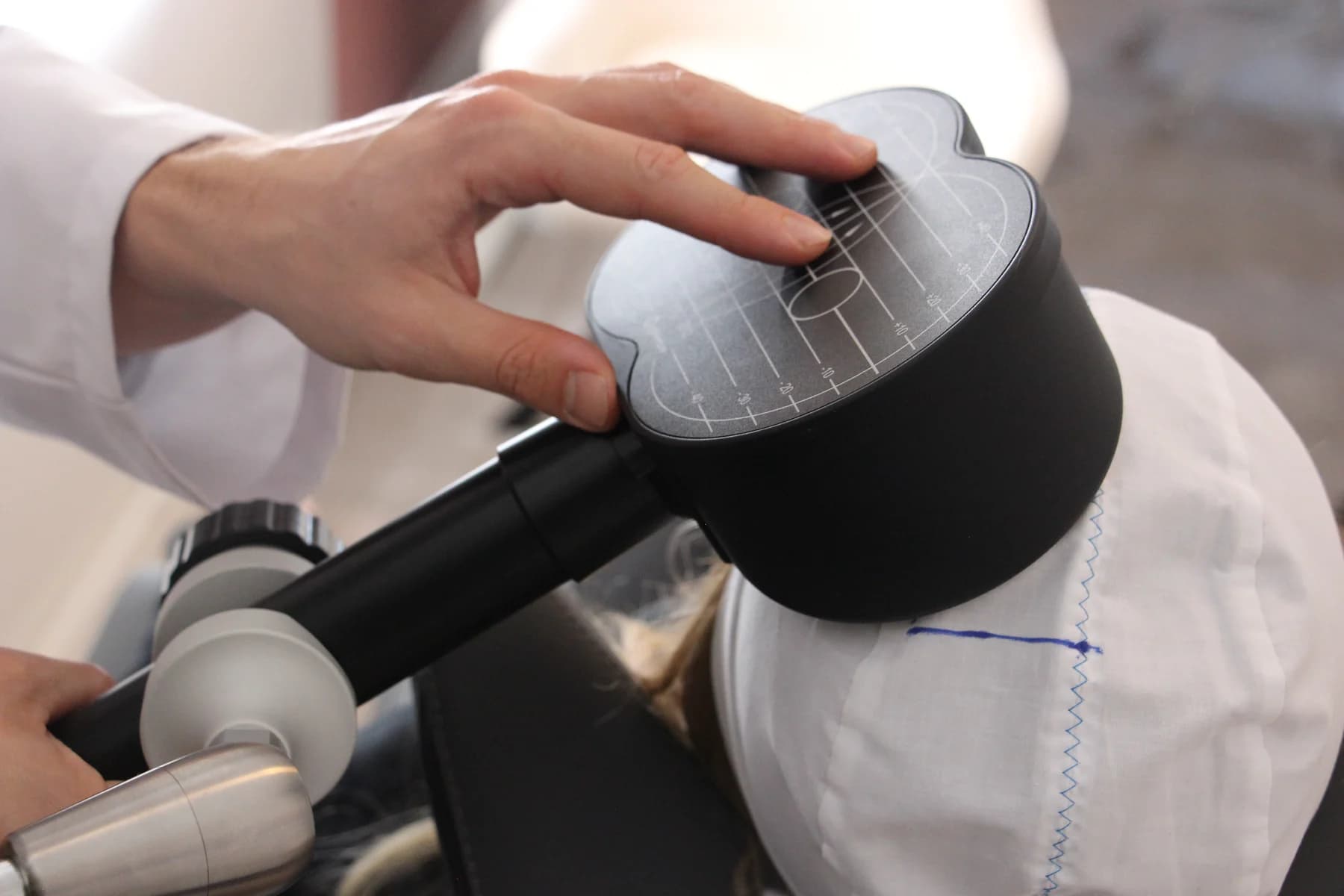
Transcranial Magnetic Stimulation (TMS) uses short, strong magnetic fields generated by a coil near the head. These magnetic fields induce electrical currents in superficially located brain areas and can specifically stimulate or suppress neuronal activity there.
In particular, repetitive TMS (rTMS) is recognised for the treatment of treatment-resistant depression and is increasingly being used for other neurological and psychiatric indications as well. A session lasts approximately 20 to 40 minutes depending on the protocol and is carried out on an outpatient basis.
Transcranial Pulse Stimulation (TPS)
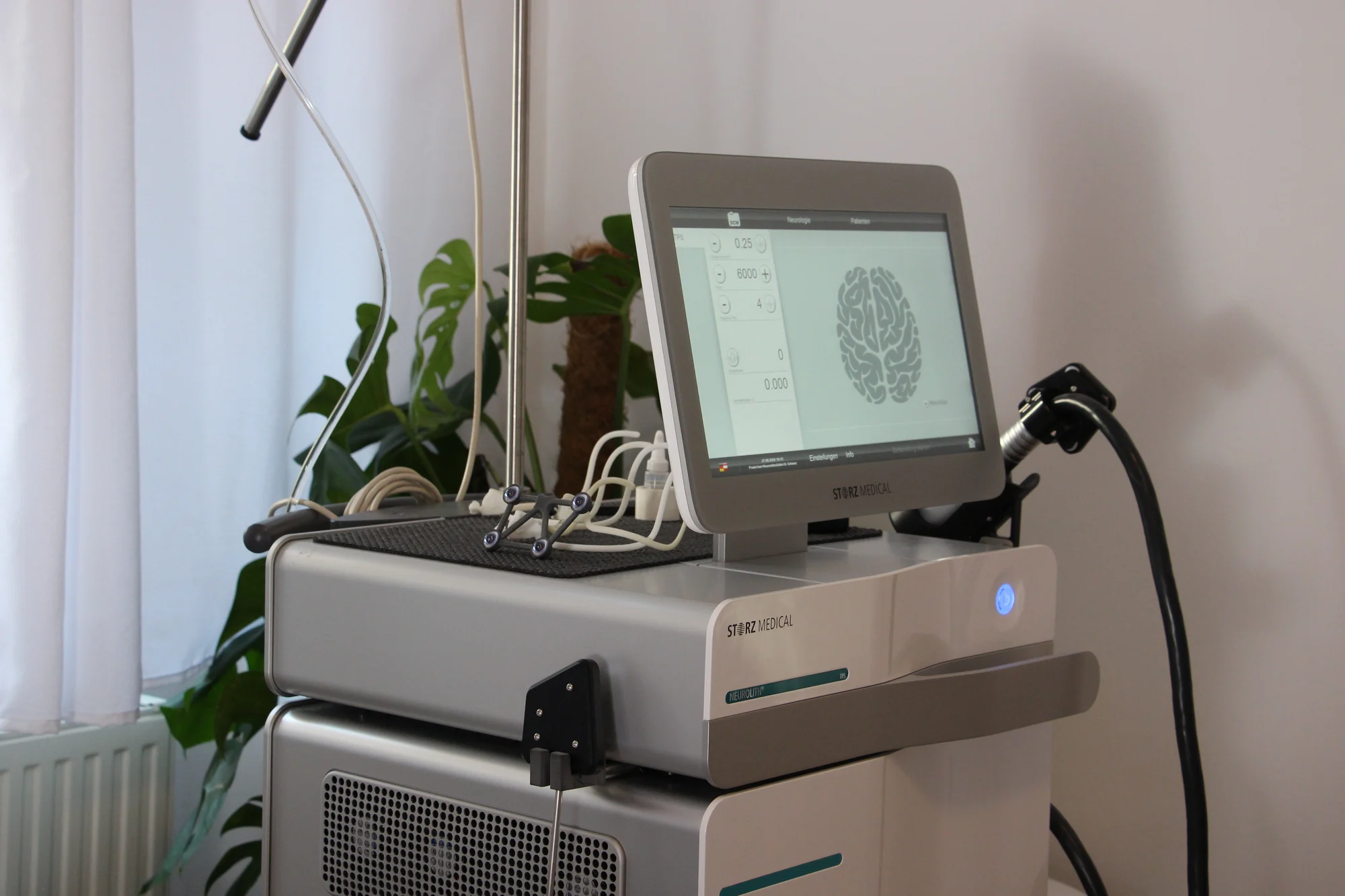
Transcranial Pulse Stimulation (TPS) works with short, focused ultrasound impulses directed through the skull bone into defined brain areas. The device used is the NEUROLITH® by Storz Medical, which has been approved in the EU for the treatment of Alzheimer's dementia since 2018.
Around 6,000 impulses are applied per session. A session lasts approximately 30 minutes, is non-invasive and requires no anaesthesia or medication. Treatment planning is MRI-guided, so target regions can be individually determined.
Transcranial Direct Current Stimulation (tDCS)
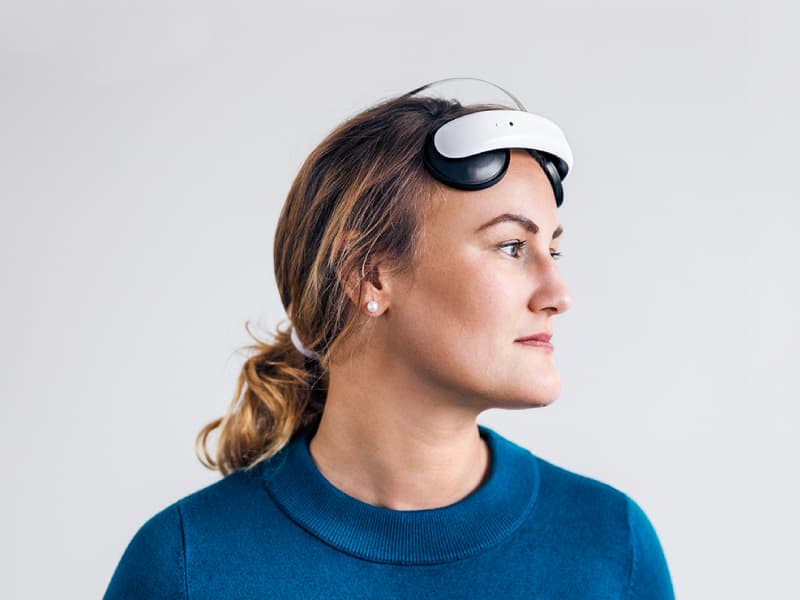
In Transcranial Direct Current Stimulation (tDCS), a very weak direct current (usually 1-2 mA) is applied via two electrodes on the scalp. The current changes the excitability of the underlying nerve cells: activity increases under the anode and decreases under the cathode.
tDCS is used, among other things, for depressive disorders, cognitive impairments and neurological rehabilitation. A session usually lasts 20 to 30 minutes. The procedure is well tolerated and also suitable for regular home use - after medical instruction, patients can carry out the stimulation independently at home.
Scientific Basis
Evidence on Neurostimulation
The procedures used in our practice have been researched for years. On the studies page you will find the original publications for each procedure, each with sample size, outcome and the limitations of the study.
View studiesContact
Get more information
Free of charge by email. We will get back to you without obligation.
Suitability is assessed by a doctor in each individual case. The treatments are self-pay services; private health insurers often reimburse them.