

Background Information
What is Transcranial Pulse Stimulation (TPS)?
TPS is a non-invasive procedure that sends focused shock wave impulses precisely through the skull bone into the brain - without surgery, without anaesthesia, without medication.
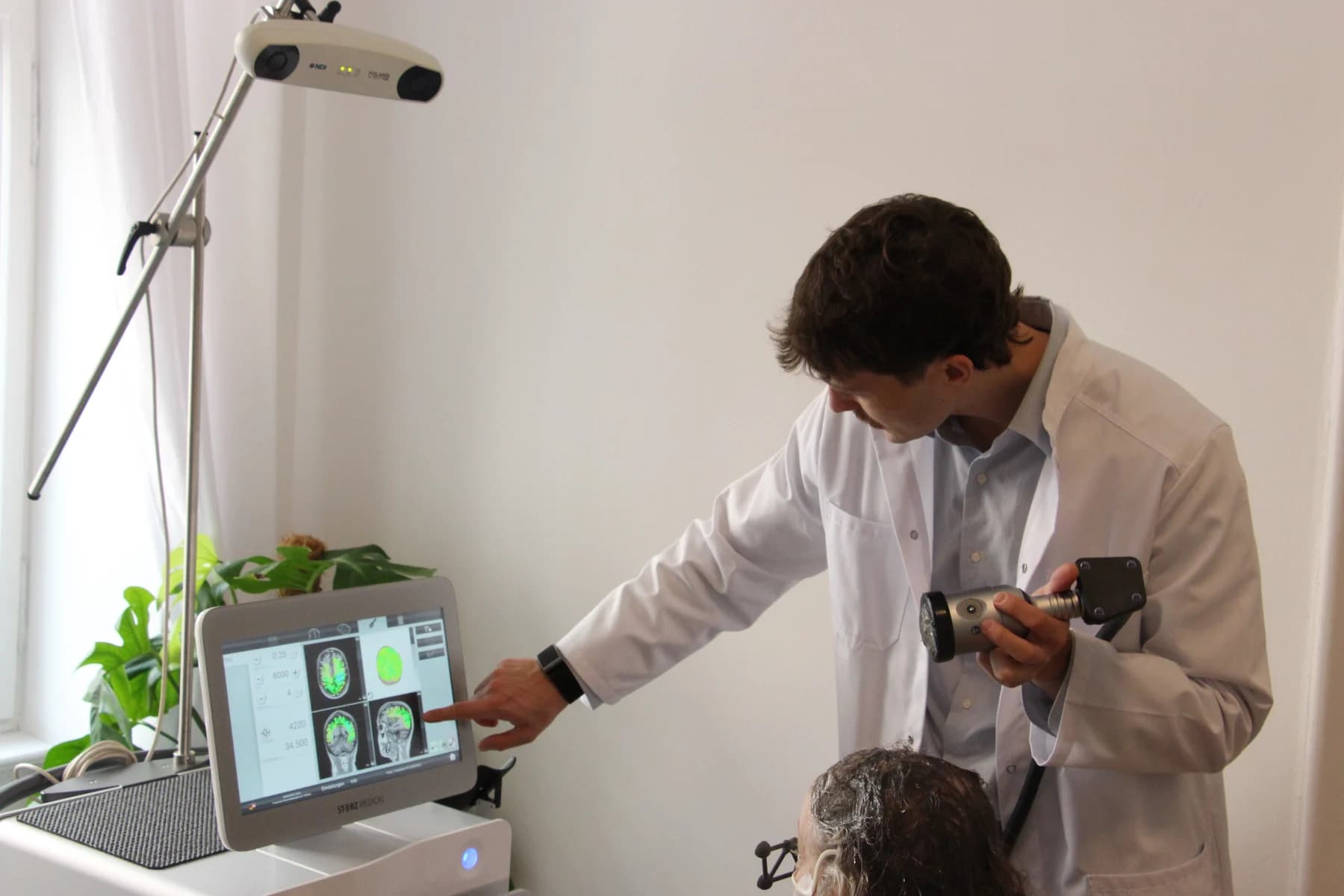
A look inside
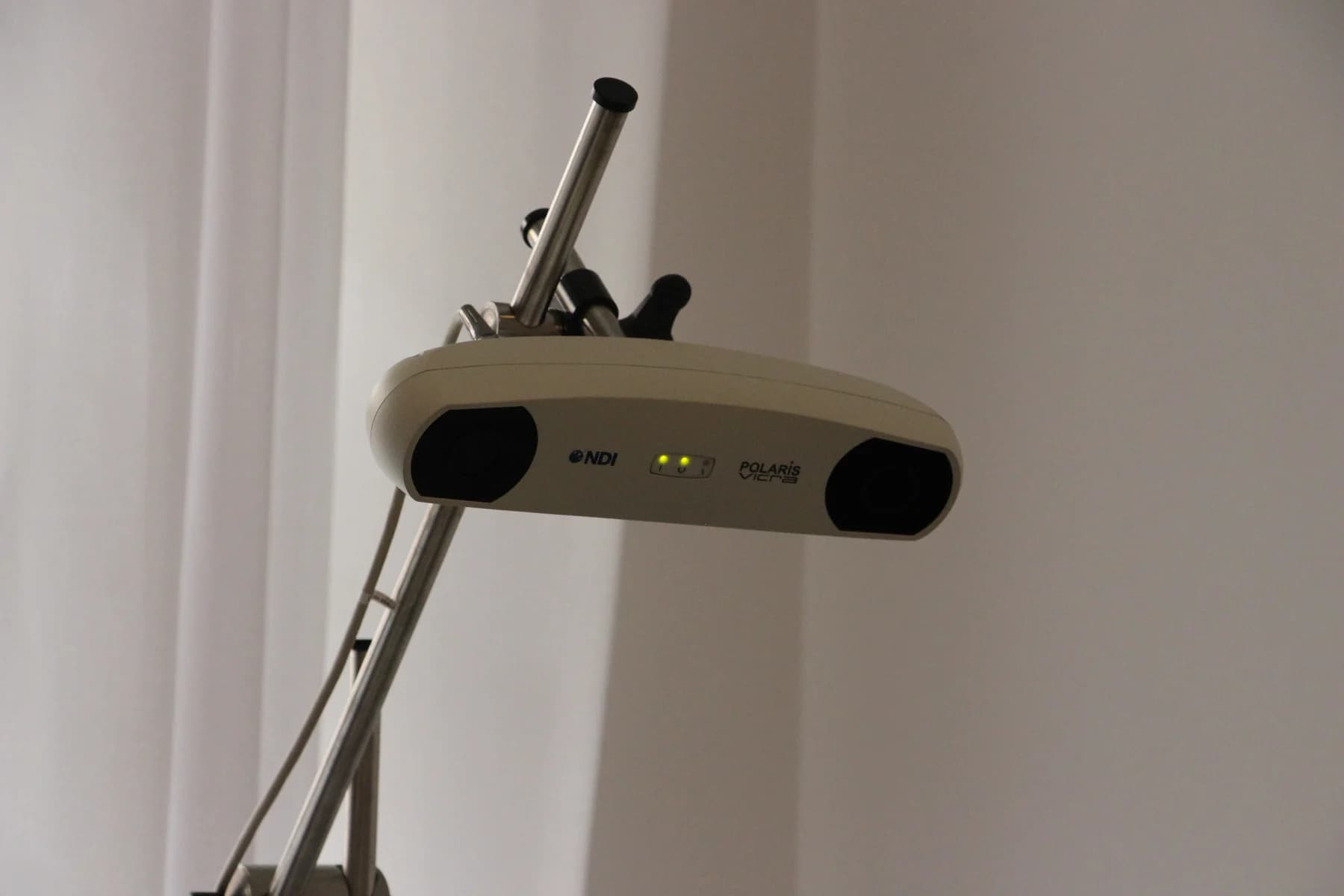
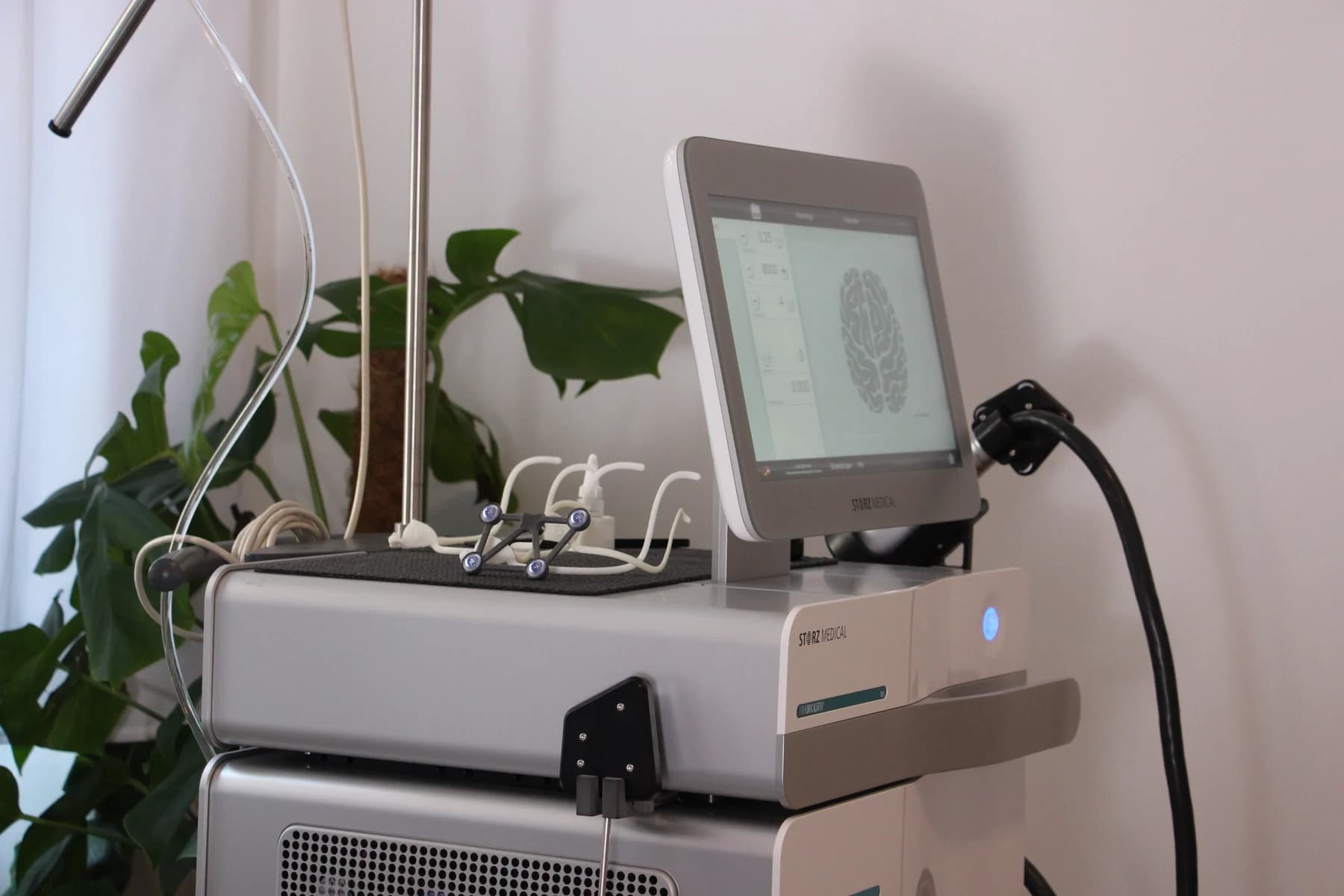
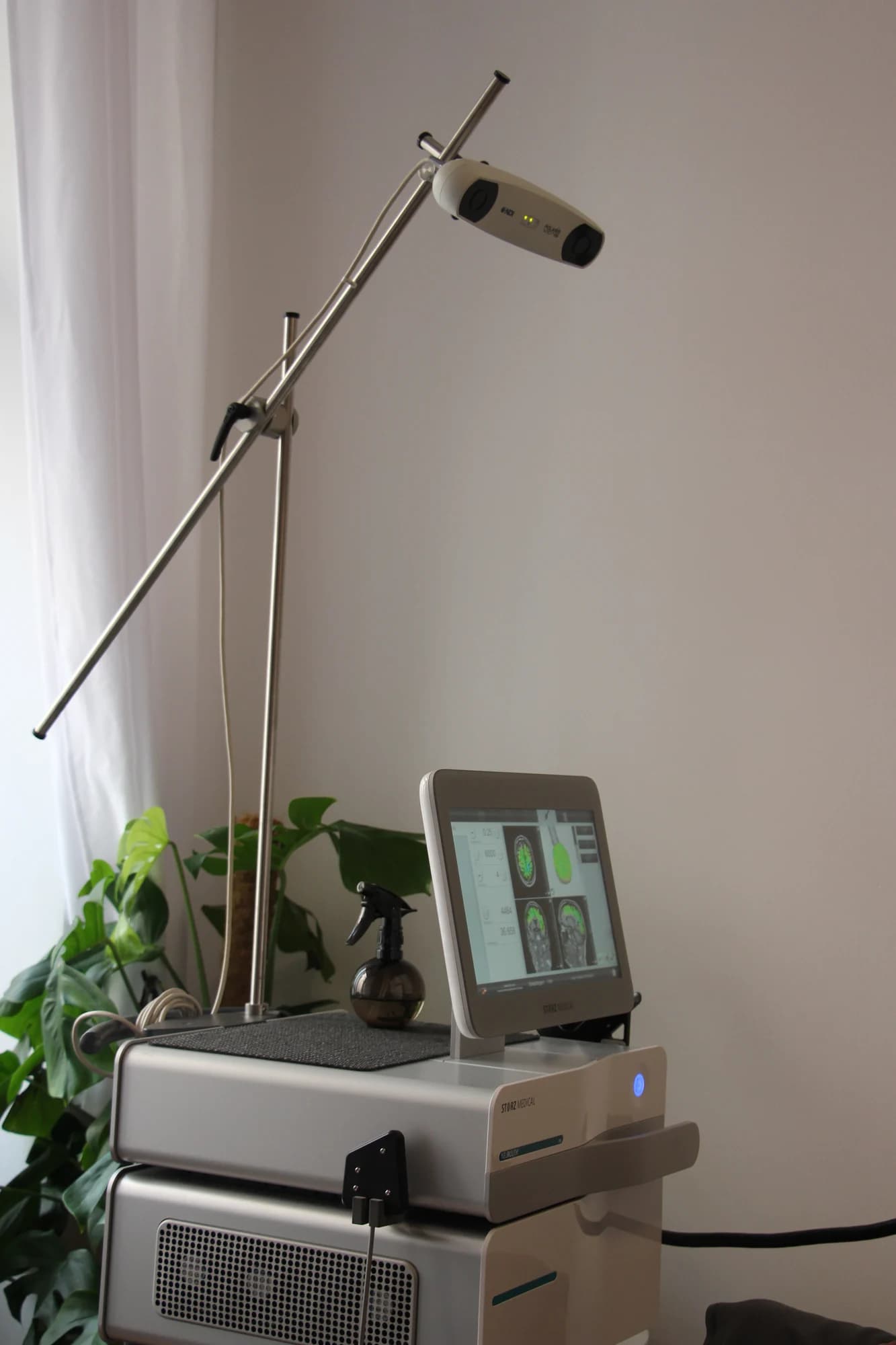
The NEUROLITH at our practice
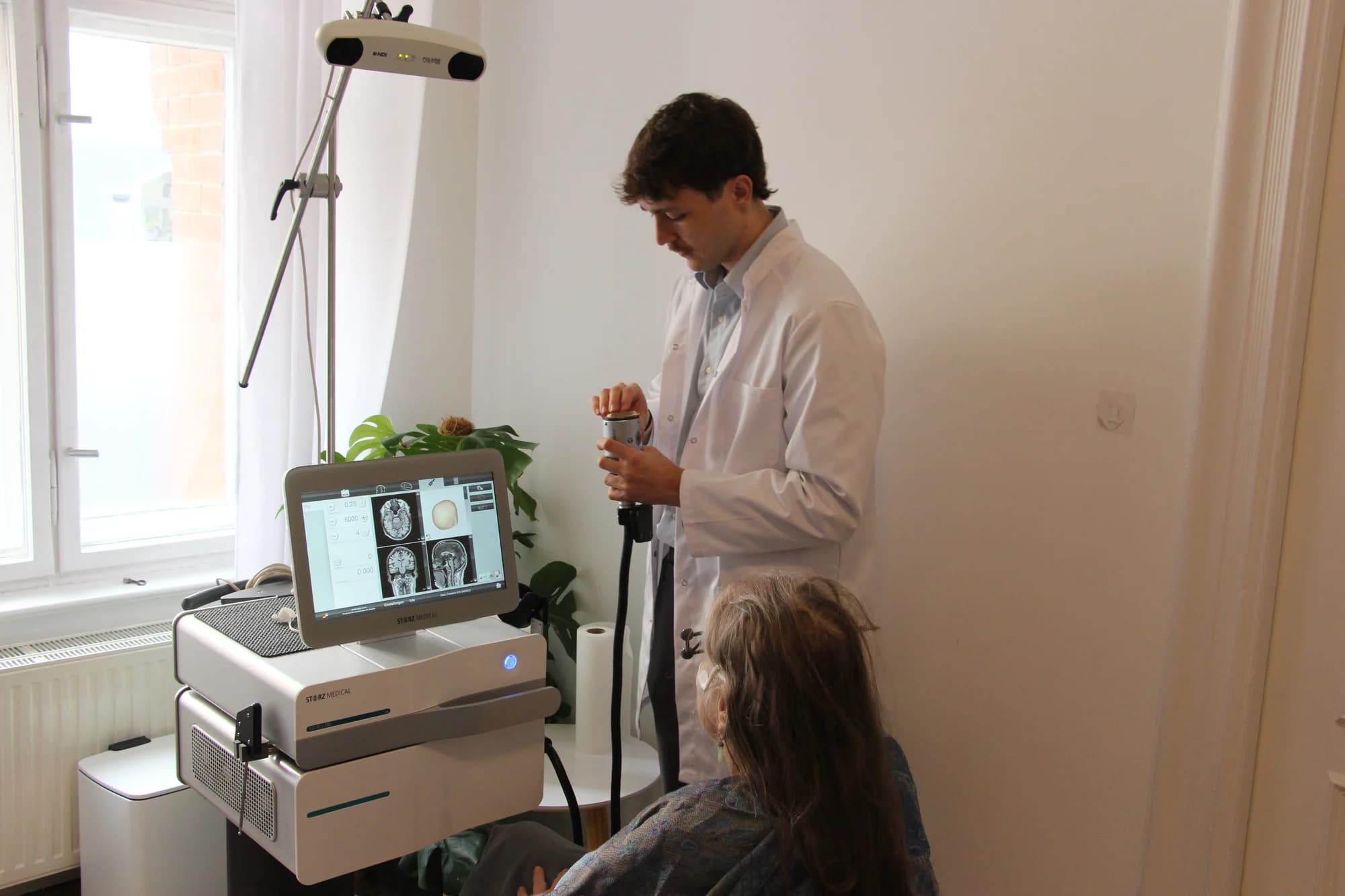
Areas of Application
For Which Conditions Can TPS Be Considered?
The NEUROLITH® system is CE-approved for the treatment of Alzheimer's dementia. The clinical evidence comes predominantly from studies in patients with mild to moderate disease. For further indications, use takes place as an individual therapeutic attempt after medical assessment.
- Early to moderate Alzheimer's dementia
- Mild cognitive impairment (MCI)
- Depression, including treatment-resistant forms
- Chronic fatigue (burnout, post-COVID fatigue)
- Parkinson's disease with accompanying cognitive symptoms
Whether TPS is suitable for a specific situation is assessed before the start of therapy in a medical consultation and on the basis of individual findings.
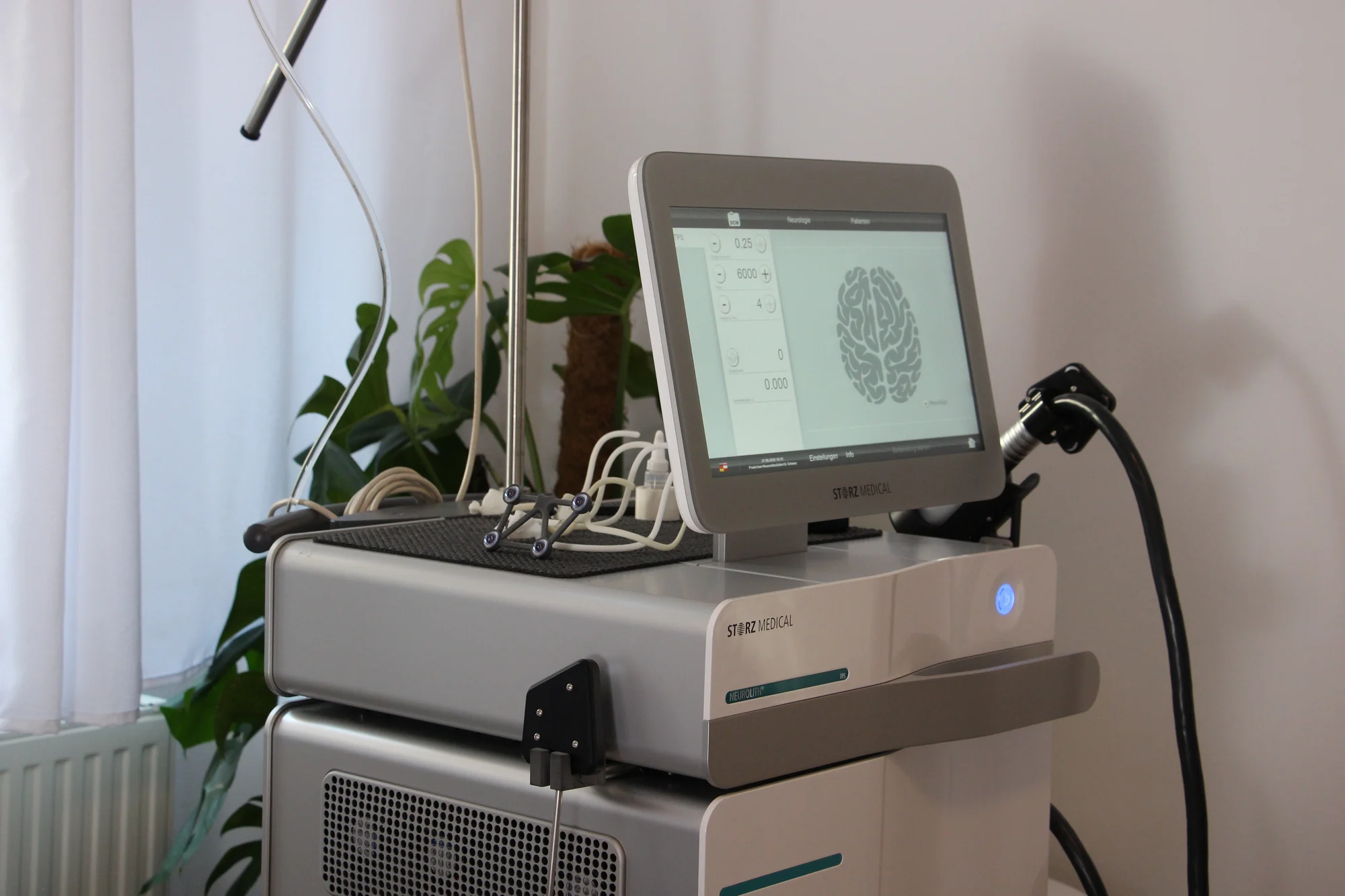
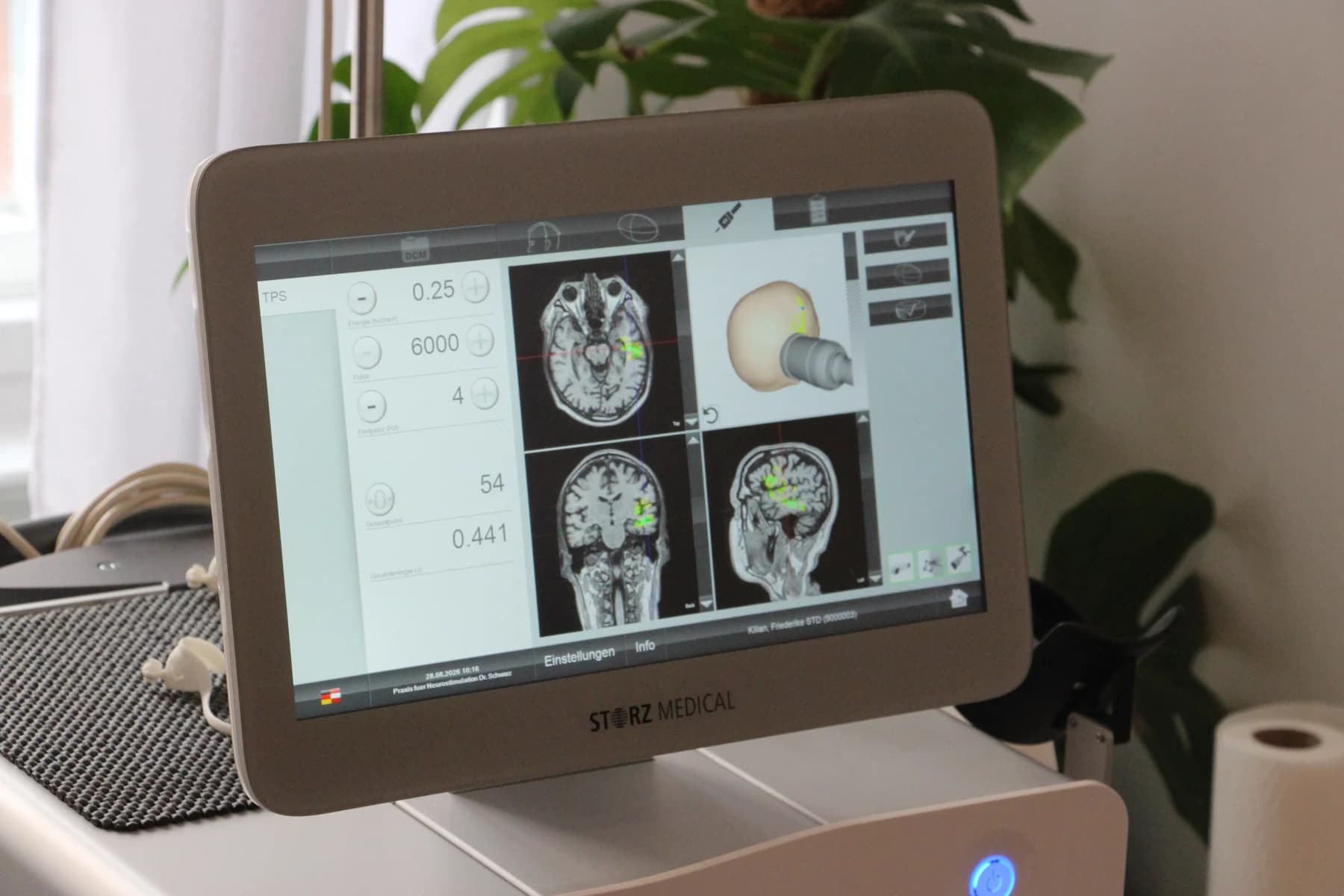
The Device
NEUROLITH® by Storz Medical
The NEUROLITH® system by Swiss medical technology manufacturer Storz Medical is used. It is currently the only device for Transcranial Pulse Stimulation and has been CE-certified as a medical device for the treatment of Alzheimer's dementia in the EU since 2018.
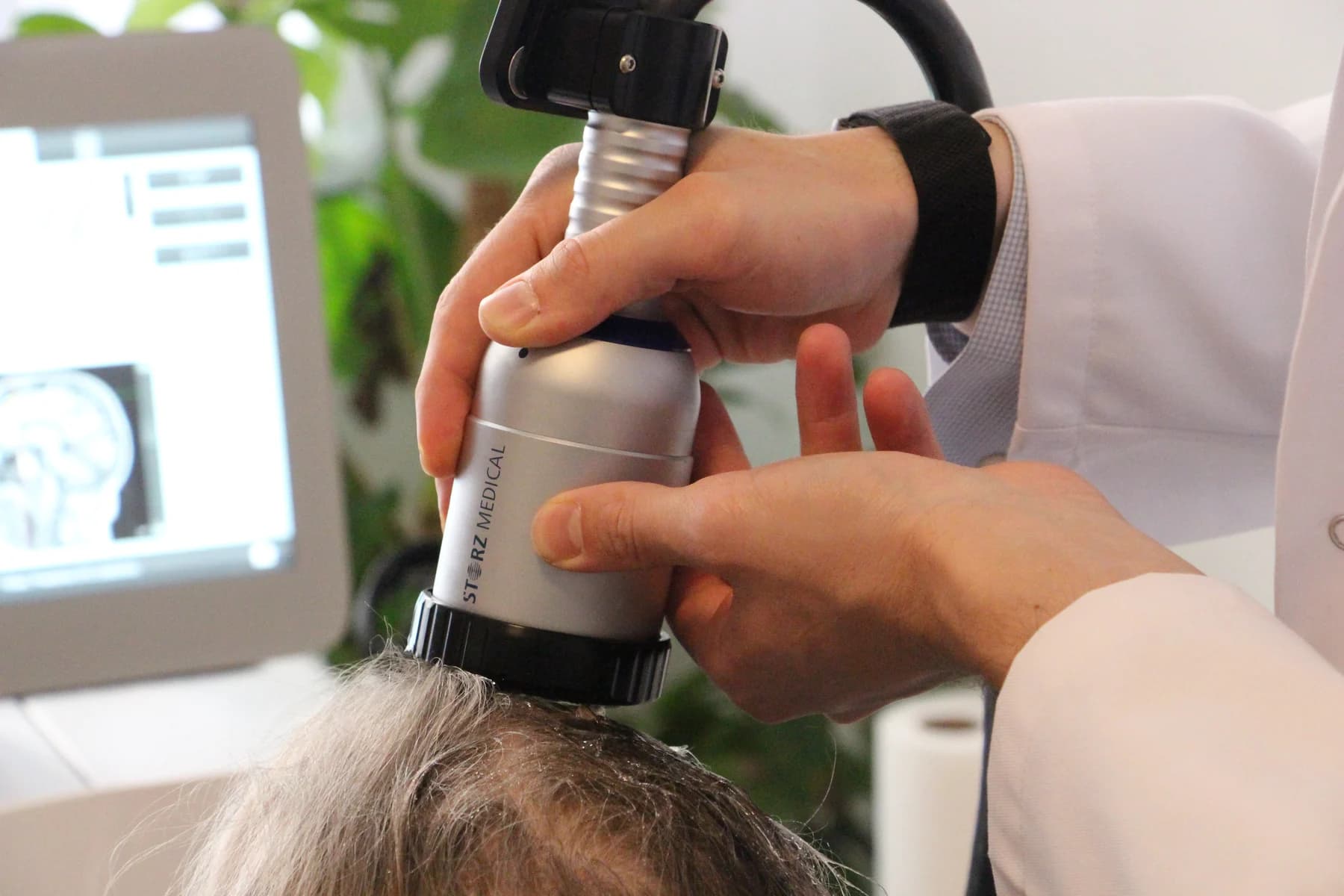
The handpiece generates short, focused shock wave impulses that are guided precisely through the skull bone into defined brain areas - to a depth of around 8 centimetres. Treatment is planned using MRI.
Each session is medically planned, documented and individually tailored to the patient.
Mechanism of Action
How Does TPS Work in the Brain?
The exact pathways of action are still being scientifically investigated. The following mechanisms are described in the research literature:
Mechanotransduction
The NEUROLITH® device sends around 6,000 focused shock wave impulses per session precisely through the skull bone - without injuring it. This process is called mechanotransduction: mechanical signals are converted into biological responses at the cellular level.
Growth Factors & Blood Flow
Scientific investigations suggest that TPS may promote the expression of growth factors such as BDNF (Brain-Derived Neurotrophic Factor) and VEGF (Vascular Endothelial Growth Factor) - proteins associated with the formation of new synaptic connections and improved cerebral blood flow.
Neuroplasticity
The brain has a lifelong capacity for adaptation - known as neuroplasticity. TPS may act precisely here: by stimulating nerve cells to communicate more actively with each other, existing neural networks can potentially be strengthened.
Treatment Process
How the Treatment Works
From the first consultation to post-testing - manageable, outpatient and easy to fit around daily life.
Is neurostimulation suitable for you?
Not every patient benefits equally. Answer a few short questions about your situation - we review your information personally and get back to you.
- A few short questions · just a few minutes
- Personal response from Dr. Schwarz
- Response by email within 24 hours
- Confidential in accordance with medical confidentiality and GDPR
Contact
Get more information
Free of charge by email. We will get back to you without obligation.
Suitability is assessed by a doctor in each individual case. The treatments are self-pay services; private health insurers often reimburse them.