

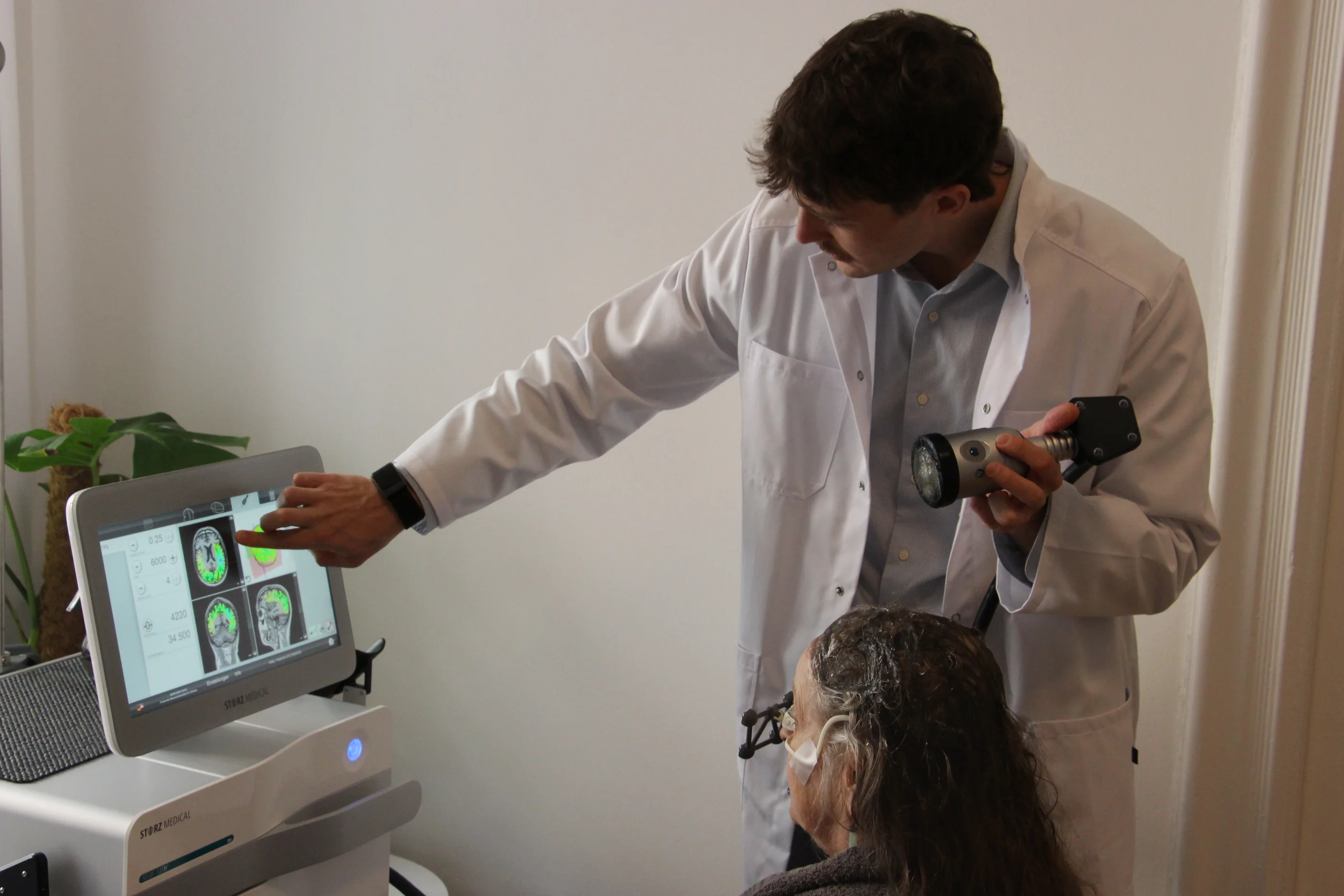
New Therapy Option for Alzheimer's
Shock Waves Against Forgetting
Alzheimer's dementia is one of the most common neurodegenerative diseases. Despite intensive research, there are currently only a few treatment options that can noticeably slow cognitive decline.
In 2018, the NEUROLITH® system was approved in the EU for the treatment of Alzheimer's dementia and remains the only device for Transcranial Pulse Stimulation. It takes a new approach: stimulating brain tissue with pulsed shock waves. Shock waves have been used in medicine since the 1980s, for kidney stones and in orthopaedics; their application to the brain is a separate development with its own body of evidence.
The goal of the therapy is to reactivate neuronal activity in affected brain areas and slow the progression of the disease.
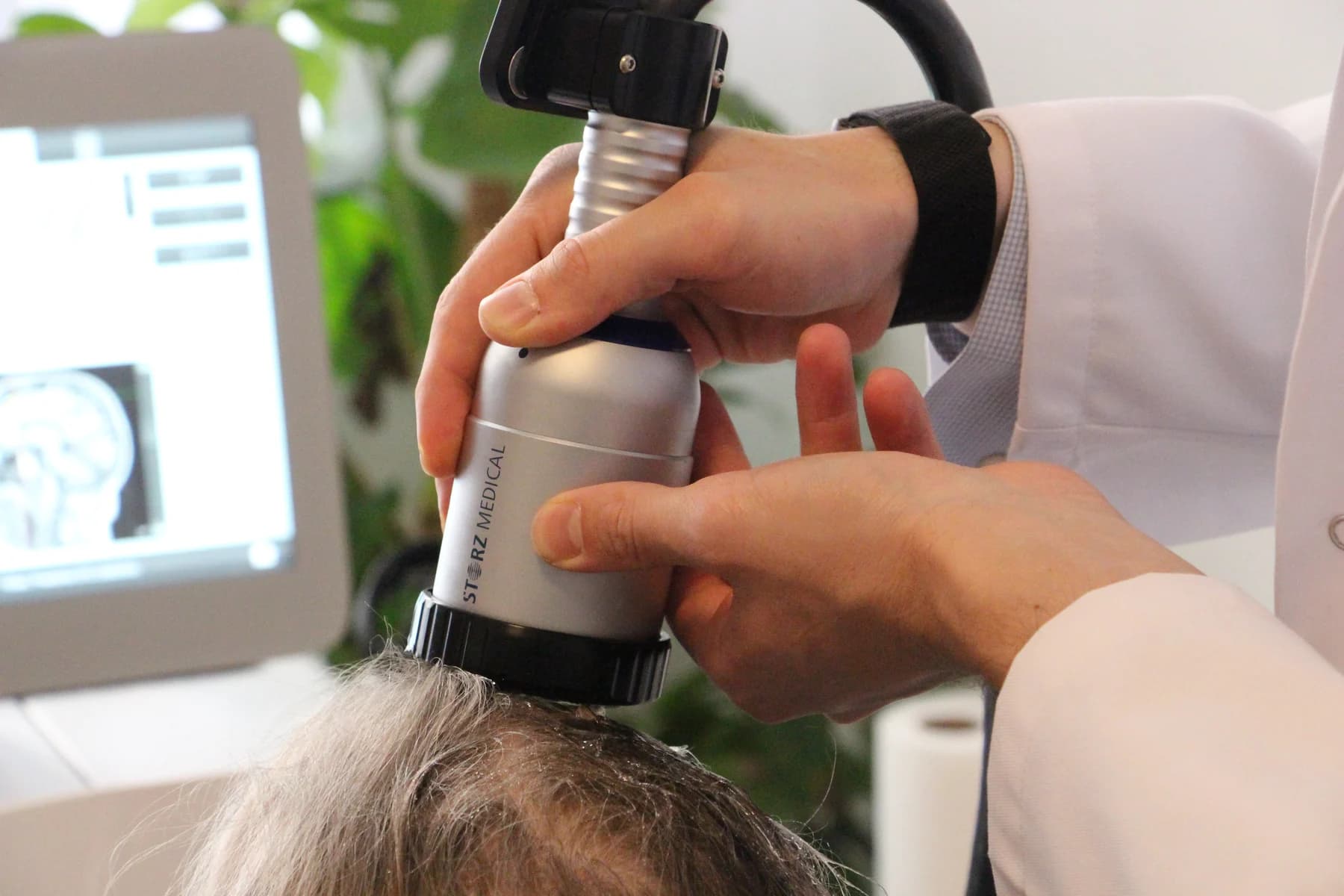
Non-invasive Brain Stimulation
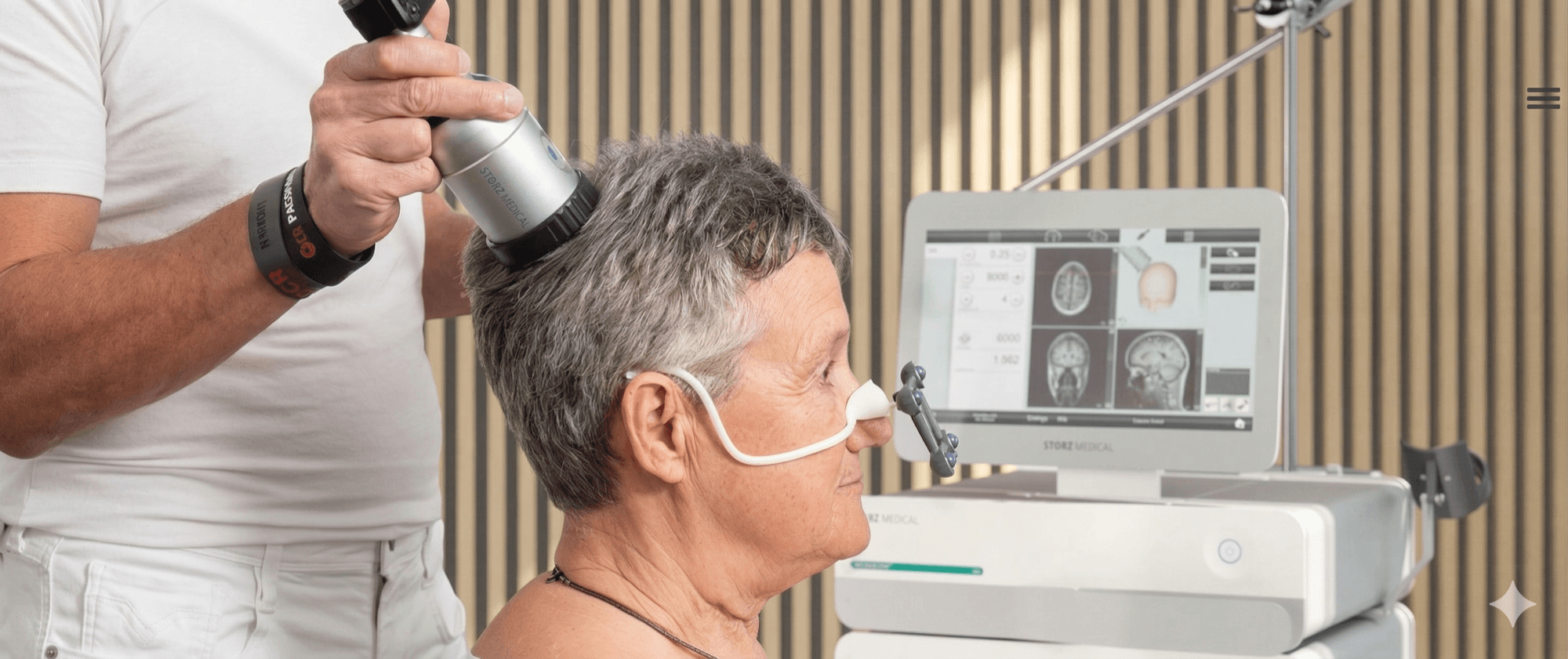
In TPS, mechanical shock waves are directed through the skull onto selected brain regions. Which processes they set off there is currently being researched. The following are mainly discussed:
- an increase in blood flow in the treated area
- the release of growth factors such as BDNF and VEGF
- greater adaptability of nerve cells (neuroplasticity)
Clinical studies have measured what changes - what was examined above all:
- memory and language performance in standardised tests (CERAD, ADAS-Cog)
- orientation and attention
- the course of cognitive performance over several months
Whether a treatment achieves anything in an individual case cannot be said in advance. We assess suitability medically and discuss realistic expectations in the initial consultation.
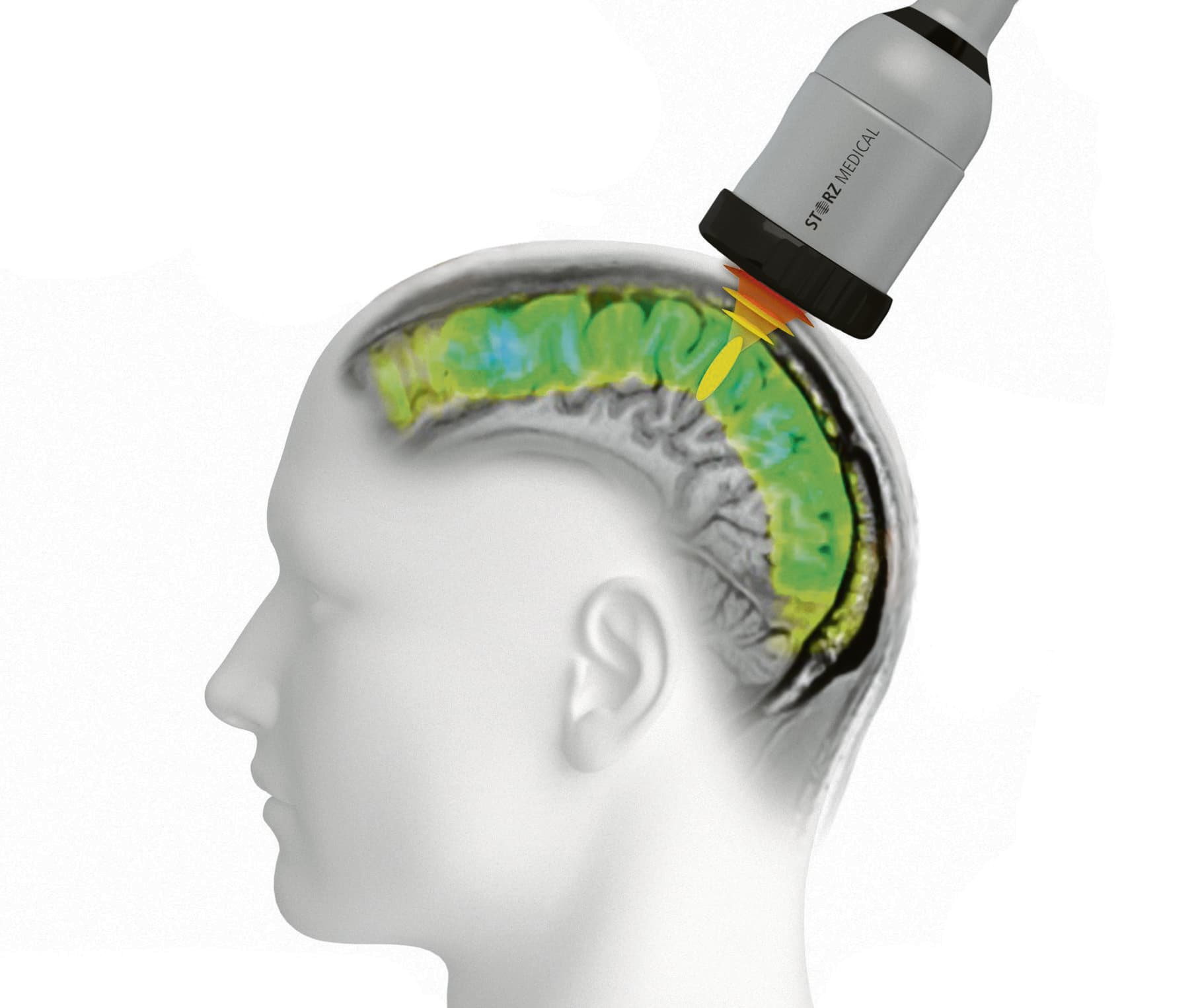
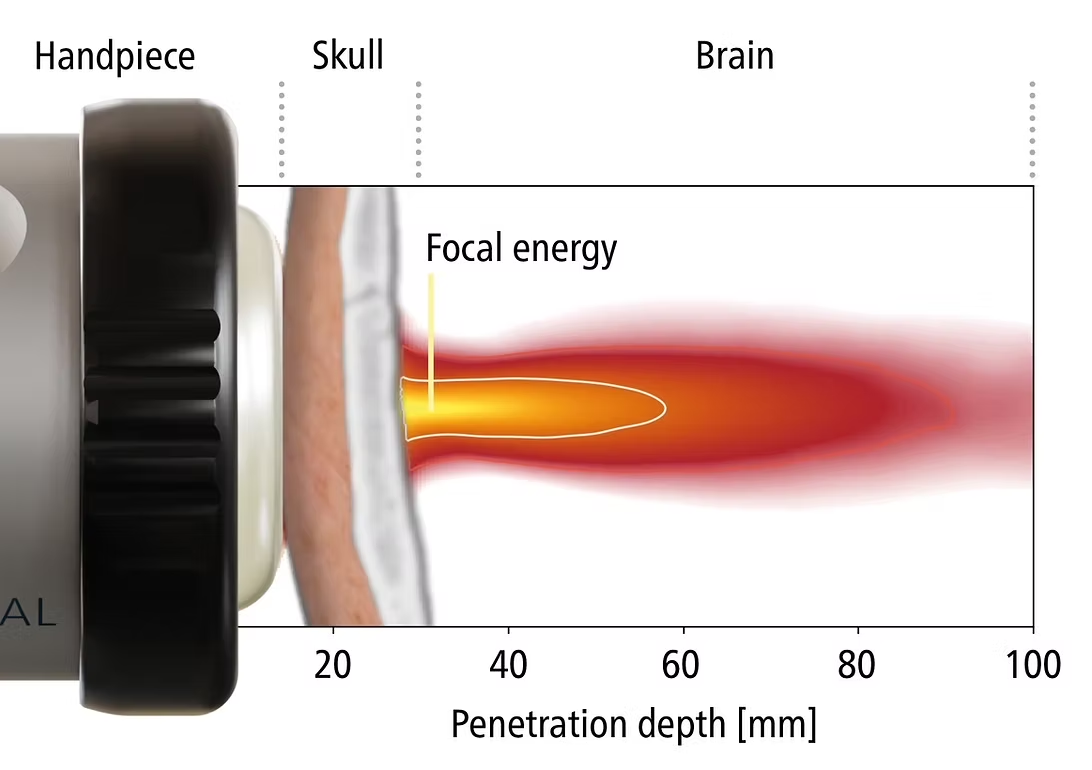
The transducer focuses the shock waves so they reach their maximum intensity at a defined depth.
Is it applicable to me?
Preserving Memories for Longer
Quality of life for those affected and their families
Process
How Your Treatment Works
Is neurostimulation suitable for you?
Not every patient benefits equally. Answer a few short questions about your situation - we review your information personally and get back to you.
- A few short questions · just a few minutes
- Personal response from Dr. Schwarz
- Response by email within 24 hours
- Confidential in accordance with medical confidentiality and GDPR
Approved medical device
NEUROLITH®, since 2018 for Alzheimer's dementia
No procedure
no surgery, no anaesthesia
Outpatient
approx. 30 minutes per session
No medication
no interactions
The Therapy
What is Transcranial Pulse Stimulation?
For TPS we use the NEUROLITH® system, approved in the EU for the treatment of Alzheimer's dementia. Non-invasive and outpatient: without surgery, without anaesthesia, without medication.
- Stimulates the entire brain with ultrasound impulses
- Can reactivate weakened nerve cells and strengthen synaptic connections
- Clinical studies show improvement of clinical symptoms in a portion of patients
- NEUROLITH®: CE-approved in the EU for Alzheimer's dementia since 2018
The Device
NEUROLITH® by Storz Medical
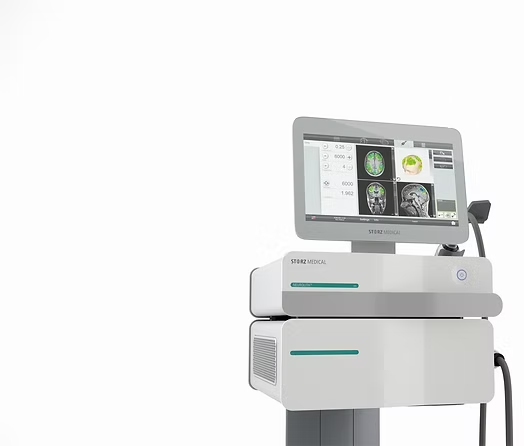
The NEUROLITH® system by Swiss medical technology manufacturer Storz Medical is used. It is currently the only device for Transcranial Pulse Stimulation and has been CE-certified as a medical device for the treatment of Alzheimer's dementia in the EU since 2018.
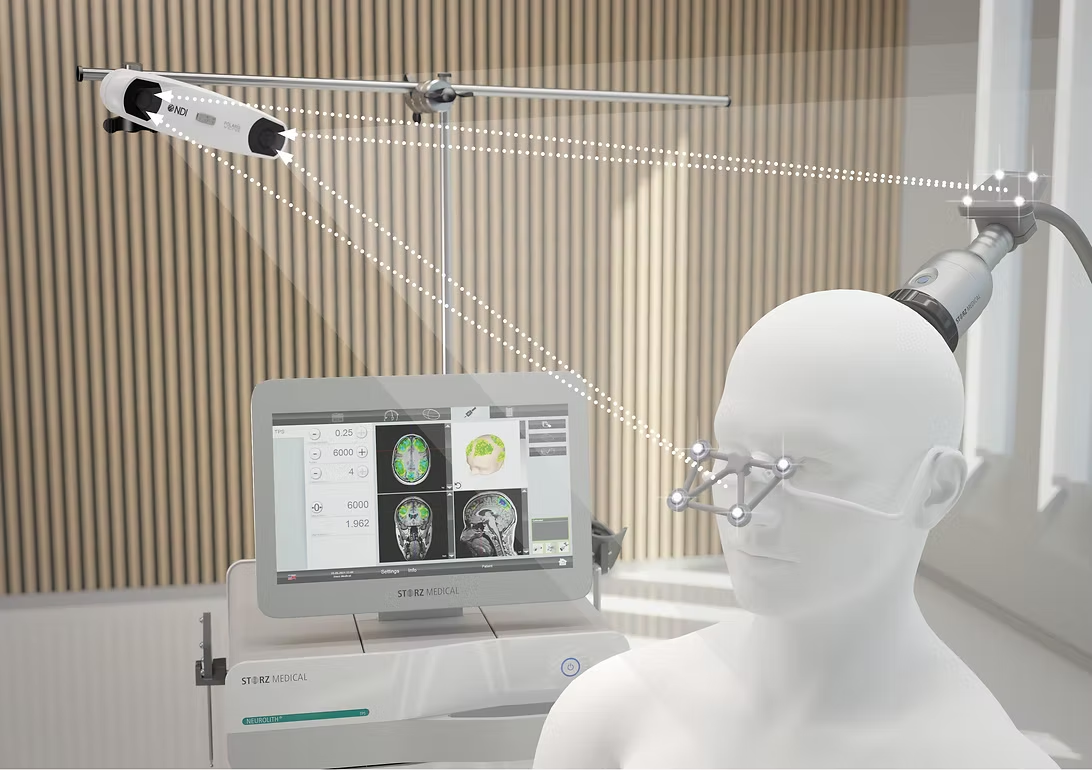
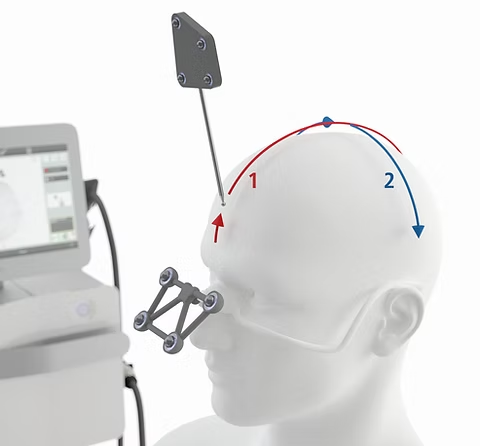
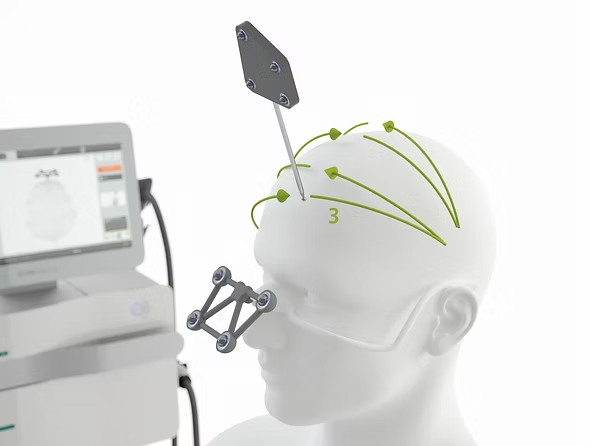
The handpiece generates short, focused shock wave impulses that are guided precisely through the skull bone into defined brain areas - to a depth of around 8 centimetres. Treatment is planned using MRI: based on individual imaging, the target regions are determined before the first session and navigated to millimetre precision using an optical tracking system during treatment.
In our practice, we work with a permanently installed NEUROLITH® system. Each session is medically planned, documented and individually tailored to the patient.
Medical Director
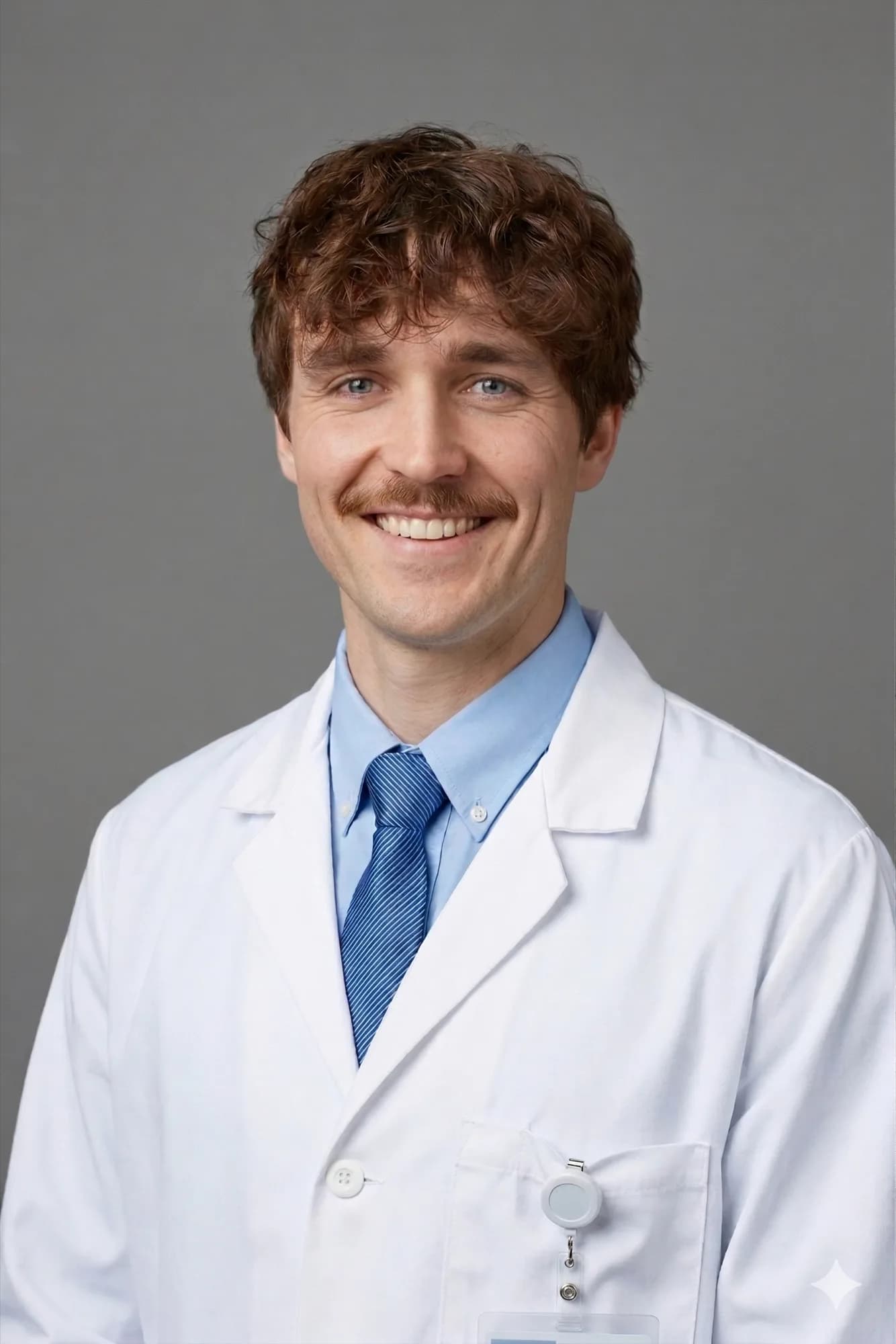
Dr. Tim Schwarz
Dr. Tim Schwarz führt die Behandlung mit medizinischer Sorgfalt und persönlicher Begleitung der Patientinnen und Patienten.
Professional Expertise
Trained at:



Experience gained at his father's practice, Dr. Schwarz in Ulm - one of the most experienced TPS specialists in Germany.
Personally there for you
- Takes sufficient time for every patient - no rushing
- Open, honest consultation about the opportunities and limits of the therapy
- Questions are taken seriously and answered - including between appointments
Frequently Asked Questions
Your Questions about TPS for Alzheimer's
Still have questions? We answer everything in a personal consultation.
Contact
Get more information
Free of charge by email. We will get back to you without obligation.
Suitability is assessed by a doctor in each individual case. The treatments are self-pay services; private health insurers often reimburse them.