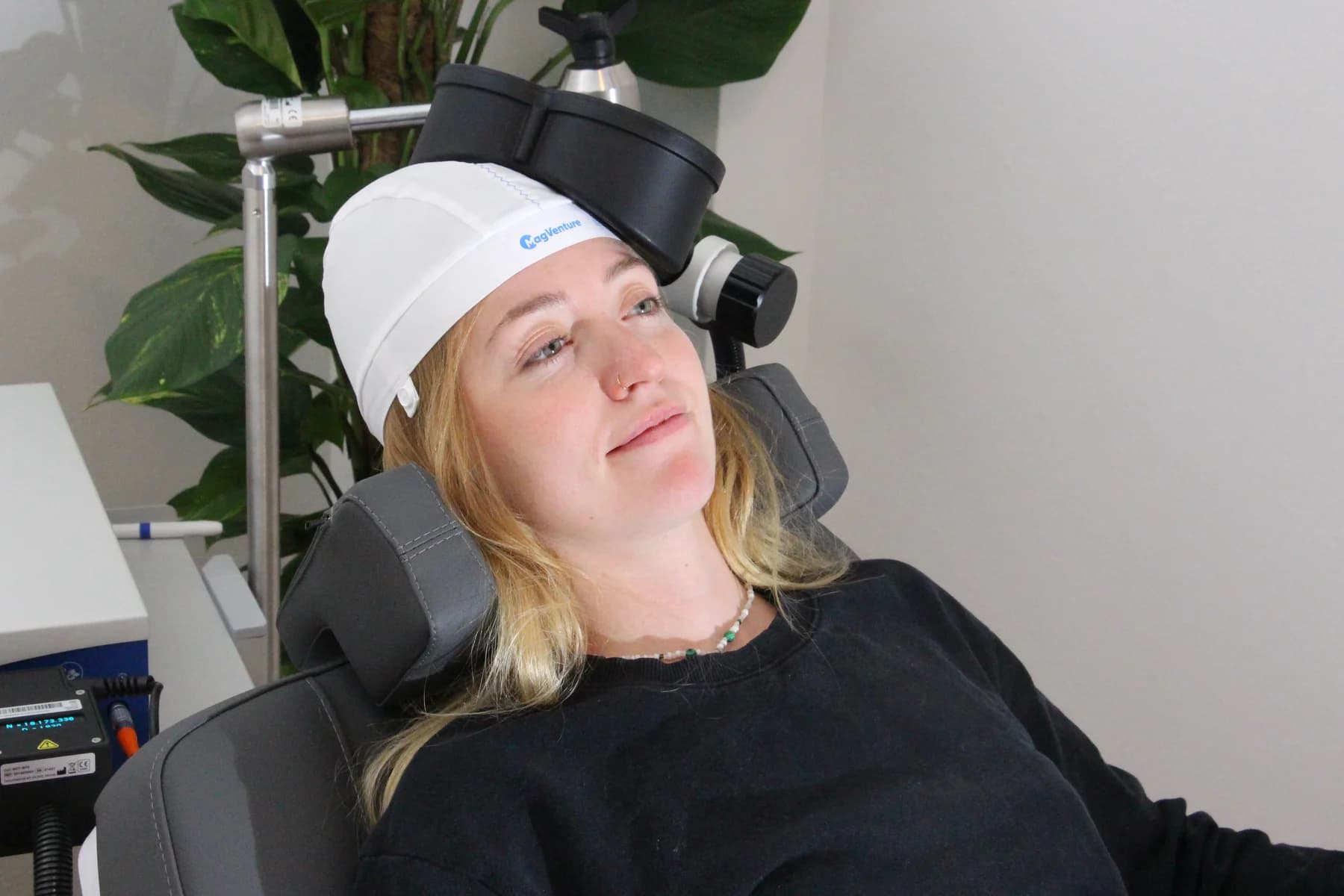
Patient wearing a stimulation cap during an rTMS session at the Praxis für Neurostimulation in Berlin

Treating Parkinson's disease with magnetic stimulation

rTMS for Parkinson's disease

What the treatment targets:

In an , magnetic stimulation improved the motor symptoms of patients with Parkinson's disease. The best evidence is for high-frequency stimulation of the motor cortex on both sides, and it is also listed in the . This is exactly the approach we offer, as an outpatient treatment alongside your existing therapy.

Go to the contact form
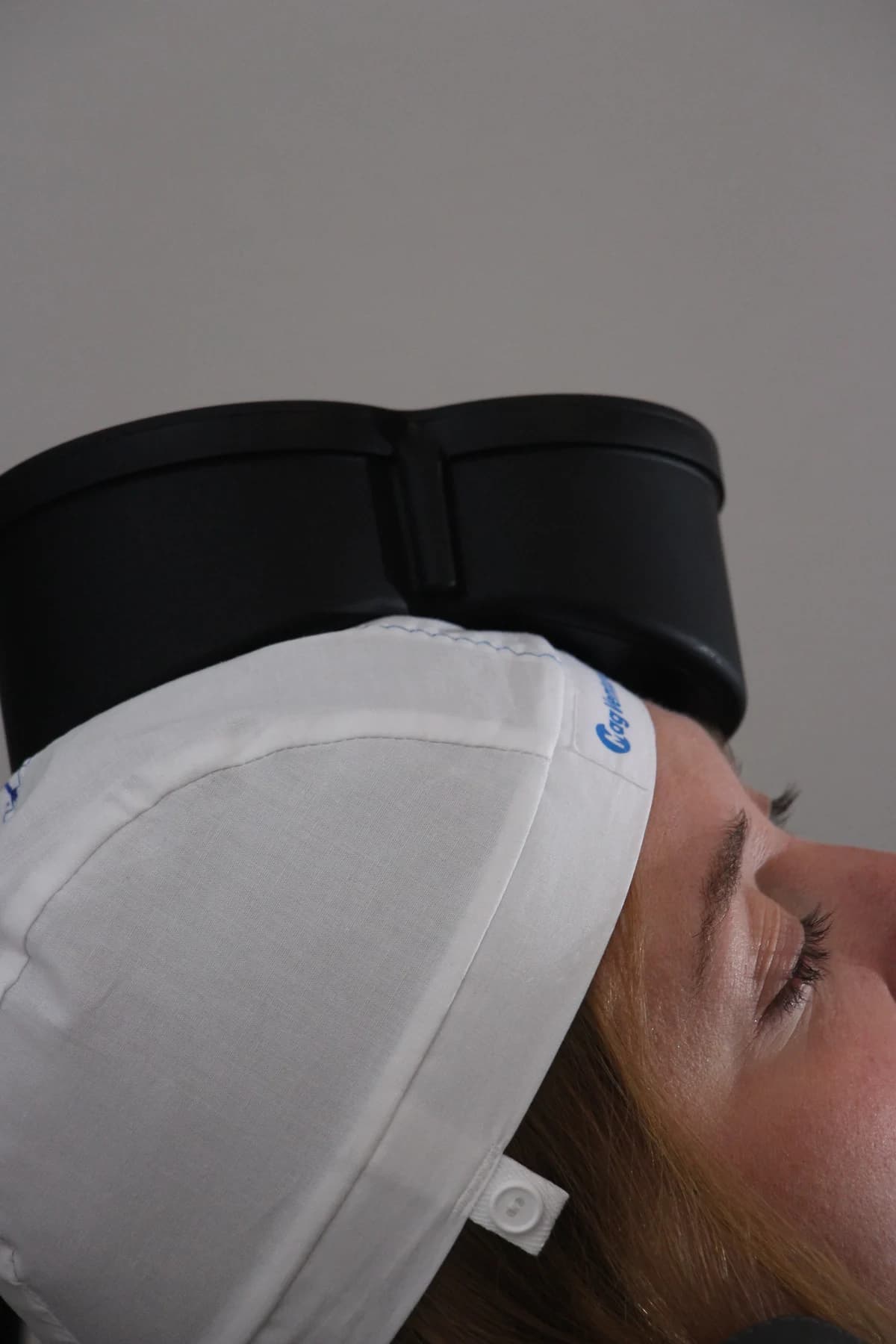
Close-up: the magnetic coil rests against the side of a patient's head

How it works

How magnetic stimulation works in Parkinson's disease

Magnetic stimulation has been studied in controlled trials for more than two decades, and there are more than 100 studies in Parkinson's disease.

A magnetic field

What does the work is the magnetic field. It passes through the scalp and skull unimpeded and stimulates the nerve cells in the target area.

Motor cortex on both sides

We stimulate the area of the cortex that controls movement, one side after the other.

Repetition is what counts

A single pulse acts for only milliseconds. That is why the treatment comprises ten sessions on consecutive working days.

Process

How your treatment works

Initial consultation (free of charge)

by phone

We discuss your symptoms, your medication and whether rTMS is an option for you.

Treatment series

10 sessions in two weeks

You come once a day on ten working days. Each session takes about 30 minutes and you are awake throughout. You continue to take your medication as usual.

Measuring progress

Before the first session we examine your motor function and you fill in a short questionnaire, which you repeat after the series. If the effect wears off, booster sessions are possible.

Non-invasive

No surgery, no anaesthesia

Complementary

Your medication stays the same

About 30 minutes

Per session

Medically led

Indication, threshold and follow-up

Medical leadership

Dr. Tim Schwarz

Dr. Tim Schwarz führt die Behandlung mit medizinischer Sorgfalt und persönlicher Begleitung der Patientinnen und Patienten.
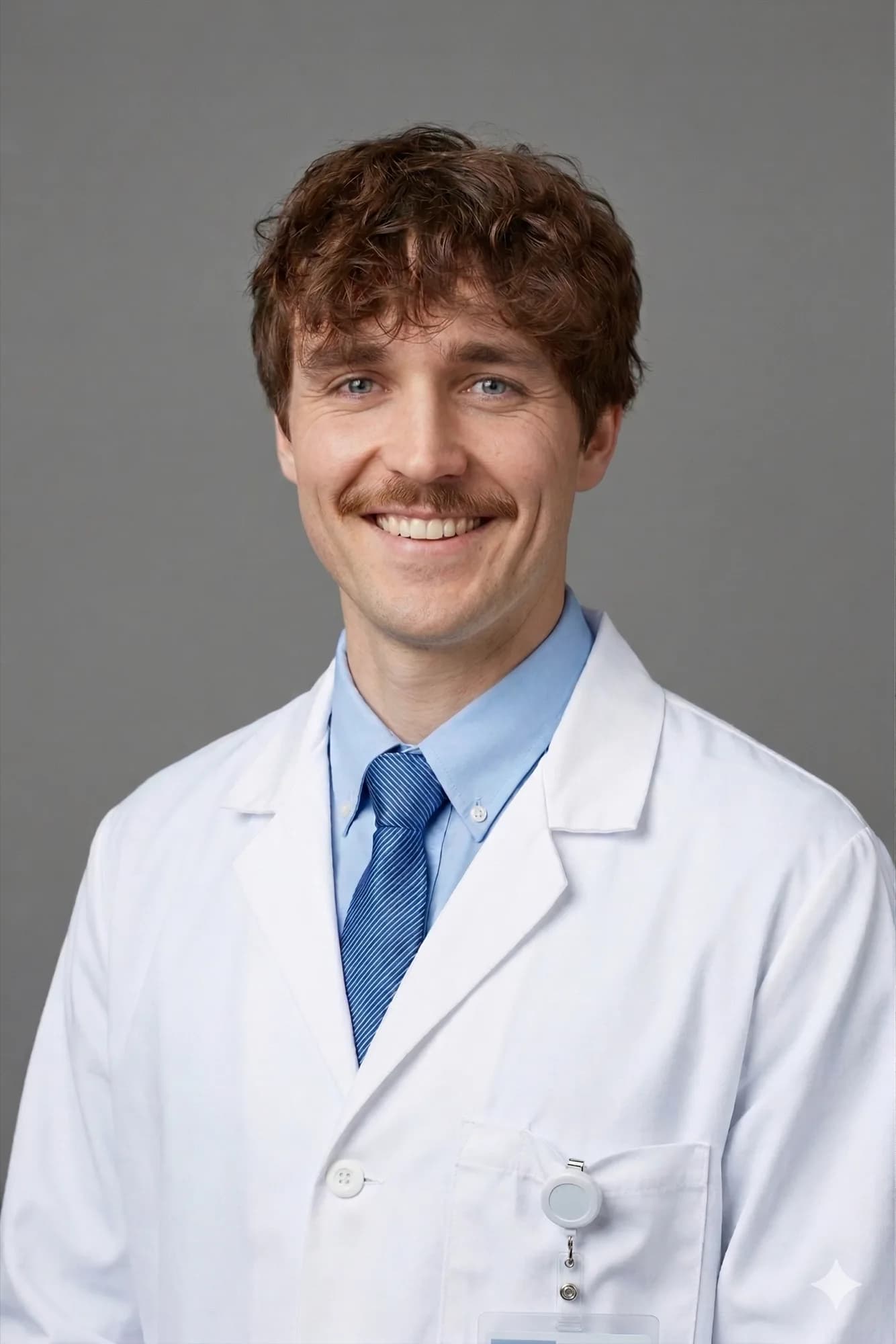
Dr. Tim Schwarz - Medical director, Practice for Neurostimulation Berlin

Clinical expertise

Trained at:

Logo Universitätsklinikum Heidelberg
Logo TUM Klinikum

Experience gained at the practice of his father, Dr. Schwarz in Ulm - specialised in non-invasive brain stimulation for many years.

Personally there for you

  • No referral needed
  • Discreet, empathetic consultation
  • Clear information on costs and options - before treatment begins

Contact

Get more information

Free of charge by email. We will get back to you without obligation.

Title *

Suitability is assessed by a doctor in each individual case. The treatments are self-pay services; private health insurers often reimburse them.

Frequently asked questions

Your questions about rTMS for Parkinson's disease

Anything not answered here we discuss in the free initial consultation.

Research

What the research shows

There are more than 100 studies on magnetic stimulation in Parkinson's disease. Here are three of them.

Across many studies

An analysis of 20 randomised trials with 693 patients (Khattak et al. 2025, Annals of Medicine and Surgery) found a greater improvement in motor symptoms with real stimulation than with sham treatment, with a moderate effect.

Context

The studies differ in target area and protocol.

The protocol we use

In a study with four groups (Brys et al. 2016, Neurology, n=61), stimulation of the motor cortex on both sides improved motor function more than sham treatment, whereas stimulation of the frontal region did not.

Context

The effect was measured one month after the series. Without booster sessions it did not last to the third month.

Walking and freezing of gait

In a study of 48 patients with freezing of gait (Song et al. 2024, Frontiers in Aging Neuroscience), freezing and walking tests improved more over ten sessions than with sham treatment, and the effect lasted 30 days.

Context

The study comes from a single centre.

The European guideline on the therapeutic use of magnetic stimulation (Lefaucheur et al. 2020, Clinical Neurophysiology) lists high-frequency stimulation of the motor cortex on both sides for motor symptoms in Parkinson's disease at evidence level B. The device we use is intended for the treatment of depression, so for Parkinson's disease treatment is given as an individual treatment attempt.